Mali Independence Day
September 22
About Mali Independence Day
Mali Independence Day is the West African nation’s national holiday, celebrated every year on 22 September. In 2026 it falls on a Tuesday. The day marks the proclamation of the Republic of Mali in 1960 and the end of French colonial rule, and is observed with parades, ceremonies and cultural festivities across the country.
The Story Behind Mali Independence Day
The territory that is now Mali was drawn into the French colonial empire during the late nineteenth century. Following France’s expansion across the region during the so-called Scramble for Africa, the area was incorporated into French Sudan and administered as part of French West Africa, a vast federation of colonies governed from afar.
The path to independence gathered pace after the Second World War, as movements for self-determination spread across the continent. In April 1959, French Sudan and Senegal joined together to form the Mali Federation, an attempt to build a larger, united state. A transfer of power agreement was signed with France in April 1960, and the federation achieved independence on 20 June 1960.
The union proved short-lived. Political differences led Senegal to withdraw, and the Mali Federation dissolved in August 1960. On 22 September 1960, the former French Sudan proclaimed itself the independent Republic of Mali, with Modibo Keita as its first president. That date has been celebrated as the nation’s Independence Day ever since.
Modern Mali takes its name from the historic Mali Empire, one of the great powers of medieval West Africa, whose wealth and the legendary city of Timbuktu remain sources of national pride. Independence Day connects the modern republic to that deep heritage while honouring the generation who secured the country’s sovereignty.
When and Where is Mali Independence Day Celebrated?
Mali Independence Day is observed on 22 September each year, which in 2026 is a Tuesday. It is a public holiday throughout Mali and is also marked by Malian communities and diaspora groups around the world. The largest official celebrations take place in the capital, Bamako, with events held in towns and villages across the country.
Traditions and Customs
The day combines formal state ceremony with vibrant cultural celebration.
- Military and civic parades – Bamako hosts official parades attended by national leaders, showcasing the armed forces and civic groups.
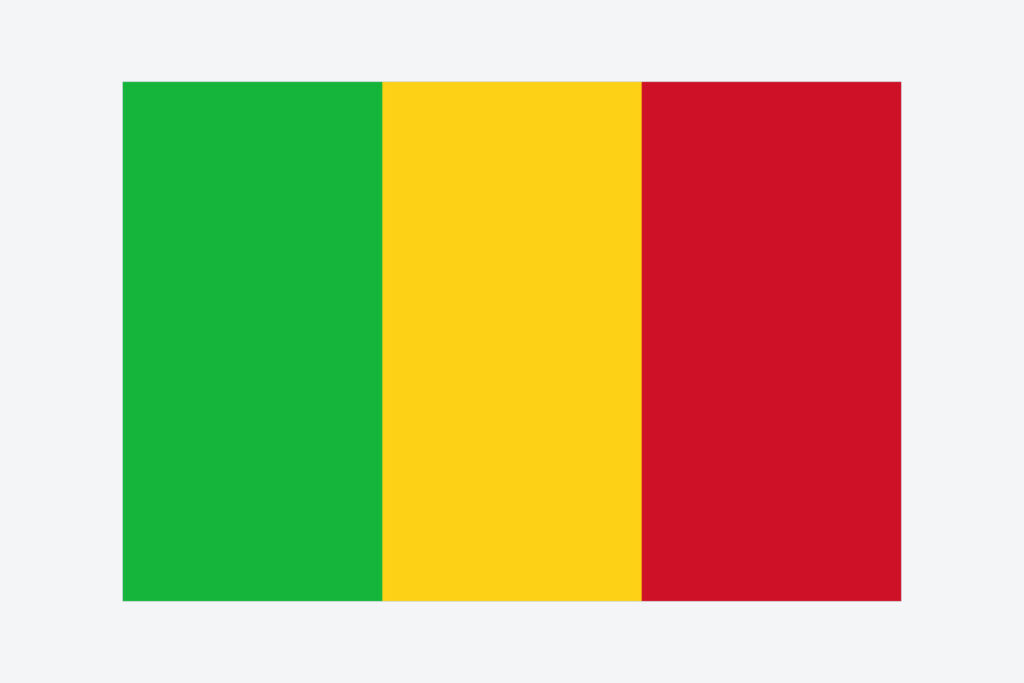
- Flying the national flag – The green, gold and red tricolour of Mali is displayed on public buildings, homes and streets.
- Music and dance – Mali has a celebrated musical heritage, and live performances of traditional and contemporary Malian music are central to the festivities.
- Community gatherings – Families and neighbours come together to share meals and mark the occasion.
- Speeches and ceremonies – Officials deliver addresses reflecting on the nation’s history, achievements and aspirations.
Ways to Celebrate Mali Independence Day
Whether you have Malian heritage or simply want to learn about the country, there are many ways to take part.
- Explore Malian music – Mali is home to world-renowned artists, so listening to its music is a joyful way to connect with the culture.
- Learn the history – Read about the rise of the Republic of Mali and the medieval Mali Empire that gave the nation its name.
- Cook Malian food – Try dishes such as jollof rice or maafi, a rich peanut stew, to bring a taste of the country to your table.
- Discover Malian art – Look into the country’s textiles, crafts and the famous architecture of cities such as Djenne and Timbuktu.
- Share the day online – Post about Mali Independence Day to help others learn about this West African nation.
- Support Malian creators – Seek out Malian musicians, writers and artisans whose work reflects the country’s rich heritage.
Facts and Figures
- Mali proclaimed independence as a republic on 22 September 1960.
- The country was previously part of French Sudan within French West Africa.
- The short-lived Mali Federation with Senegal achieved independence on 20 June 1960 before dissolving that August.
- Modibo Keita served as the first president of the Republic of Mali.
- Modern Mali takes its name from the historic Mali Empire, a major medieval West African power.
Frequently Asked Questions
What is Mali Independence Day?
It is the national holiday commemorating the proclamation of the Republic of Mali in 1960 and the end of French colonial rule. It is celebrated each year on 22 September.
When is Mali Independence Day in 2026?
Mali Independence Day falls on Tuesday, 22 September 2026, and is observed on the same date every year.
Who was Mali’s first president?
Modibo Keita became the first president of the Republic of Mali when it declared independence on 22 September 1960.
Spread the Word
Share Mali Independence Day with your community using #MaliIndependenceDay and #MaliIndependenceDay2026. Whether you mark the occasion with Malian music or by sharing the nation’s story, every bit of awareness helps keep this national tradition alive.
Related Awareness Days
- Algeria Independence Day – Another former French colony marking its hard-won path to sovereignty.
- Mozambique Independence Day – Commemorates the birth of an independent African nation.
- Botswana Independence Day – A national day celebrated just days before Mali’s, honouring African independence.
Links

2026 Awareness Days Wall Planner
Every key awareness day at a glance. Perfect for offices, staff rooms, and team planning.
View Calendar →