- This event has passed.
National Cuban Sandwich Day
August 23
About National Cuban Sandwich Day
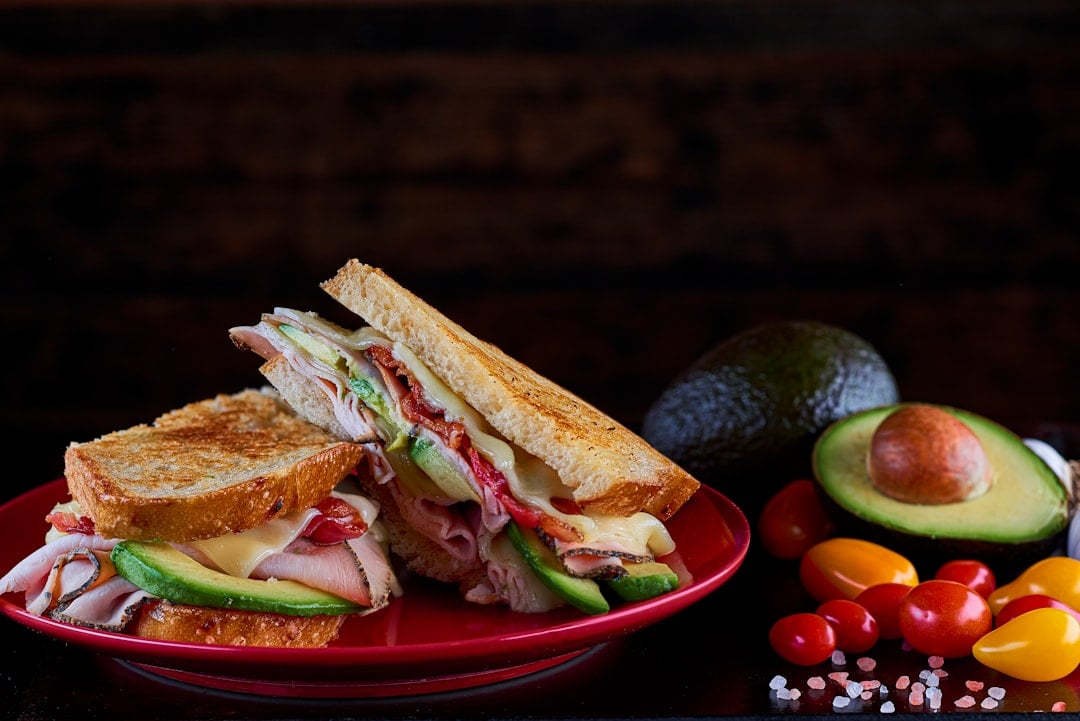
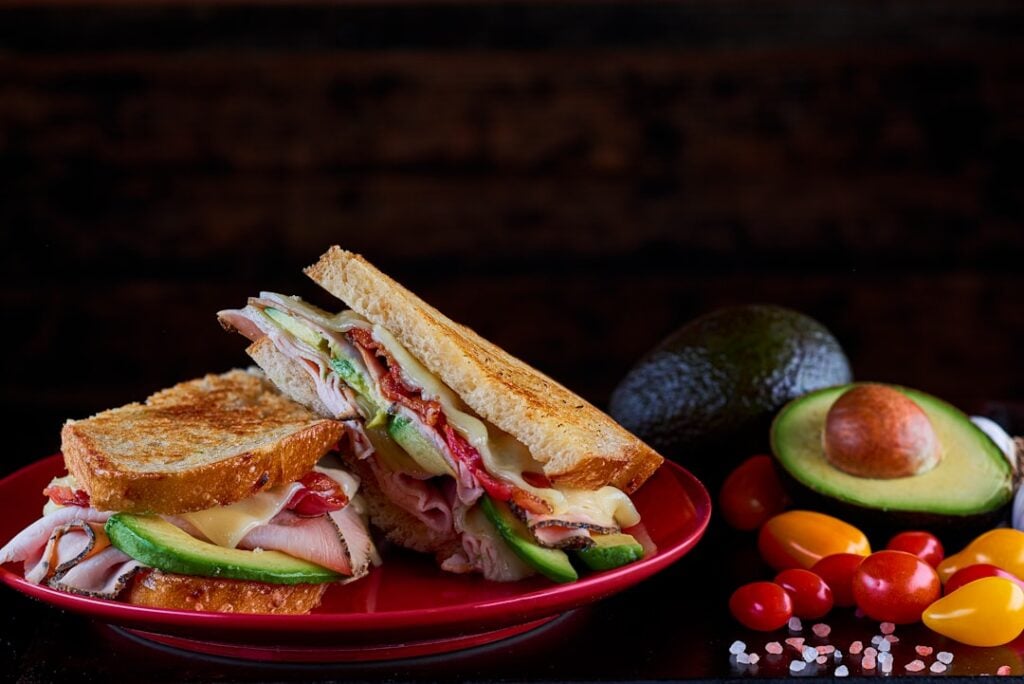
National Cuban Sandwich Day is celebrated on 23 August in the United States as a dedicated occasion to enjoy and recognise one of Florida’s most beloved culinary traditions. The Cuban sandwich, a pressed combination of roast pork, glazed ham, Swiss cheese, dill pickles, and yellow mustard on Cuban bread, traces its roots to the Cuban immigrant communities of Key West and Ybor City in Tampa, where it emerged in the late nineteenth and early twentieth centuries as a practical and satisfying meal for cigar factory workers.
What is National Cuban Sandwich Day?
National Cuban Sandwich Day is an informal food holiday observed in the United States on 23 August each year. It is a celebration of the Cuban sandwich, sometimes called the Cubano, a sandwich with a distinctive history rooted in Cuban immigration to Florida and in the multicultural communities that developed around the cigar manufacturing industry in Tampa and Key West.
The Cuban sandwich is defined by its specific ingredients and preparation method. Traditional recipes call for a length of Cuban bread, sliced horizontally and spread with yellow mustard, then layered with thinly sliced roast pork (ideally marinated in mojo, a Cuban citrus and garlic preparation), glazed ham, Swiss cheese, and dill pickle slices. The assembled sandwich is then pressed in a plancha, a flat iron press similar to a panini press, until the bread is golden and crisp, the cheese has melted, and the fillings are heated through.
The result is a sandwich of contrasting textures and flavours: crisp exterior, soft interior, the saltiness of ham and pork, the sharpness of mustard and pickle, and the richness of melted cheese. It is satisfying in a way that has made it an enduring staple not only in Florida but across the United States and, increasingly, internationally.
When is National Cuban Sandwich Day?
National Cuban Sandwich Day is observed annually on 23 August. The date is the most widely recognised celebration of the sandwich in the United States.
Why It Matters
National Cuban Sandwich Day matters as a recognition of the cultural history embedded in a single food. The Cuban sandwich is not simply a recipe; it is an edible record of the immigration patterns, cultural mixing, and working-class food traditions that shaped southern Florida at the turn of the twentieth century.
The sandwich was born in the context of the Cuban cigar industry’s migration to the United States. As Cuban, Spanish, Italian, and other immigrant workers settled in communities like Ybor City in Tampa, their food traditions mingled. The Cuban sandwich reflects this fusion: the roast pork and Cuban bread speak to Cuban and Spanish tradition, while the Genoa salami found in the Tampa version speaks to the Italian immigrants who were also part of that community. The Miami version, by contrast, omits the salami, a regional difference that has generated genuine debate about which version is the “authentic” Cuban sandwich for well over a century.
National Cuban Sandwich Day is also a celebration of Cuban American culture more broadly. The sandwich remains a point of pride and identity for communities in Florida, and its growing popularity in cities across the United States reflects the influence of Cuban and Latin American food traditions on American cuisine as a whole.
History
The origins of the Cuban sandwich lie in Cuba, where it evolved from a simple pressed sandwich known as the mixto, a combination of meats and cheese on bread. As Cuban workers moved to the United States in the late nineteenth century, settling first in Key West and then, following the fire that destroyed a major cigar factory there, in Ybor City in Tampa, they brought the sandwich with them.
Ybor City became one of the most significant cigar manufacturing centres in the world between the 1880s and the 1930s. The workforce was diverse, including Cuban, Spanish, Italian, and German immigrants, and the food culture of the neighbourhood reflected this diversity. The Cuban sandwich as prepared in Tampa incorporated Genoa salami, a reflection of the Italian community’s influence, distinguishing it from the Miami version that would later develop without this ingredient.
Cuban bread was an essential element of the sandwich from the beginning. La Joven Francesca, established in Tampa in 1896 by Francisco Ferlita, a Sicilian-born baker with Cuban and Spanish connections, became one of the most important Cuban bread bakeries in the city and helped define the bread’s distinctive light, slightly chewy texture and thin, crisp crust.
The sandwich’s name evolved over time. In Cuba, the original version was known as the mixto. As it moved to Key West and Tampa, it became the Cubano and then simply the Cuban sandwich, reflecting its identity as the food of the Cuban immigrant community. In 2012, the Tampa City Council passed a formal resolution declaring the Cuban sandwich the city’s official sandwich, a recognition of its deep roots in Tampa’s cultural identity.
National Cuban Sandwich Day on 23 August has emerged as the most widely observed celebration of the sandwich in the United States, with restaurants, delis, and home cooks across the country participating by preparing and sharing their own versions.
How to Get Involved
National Cuban Sandwich Day is best celebrated by making or eating a Cuban sandwich, but there are other ways to mark the occasion.
- Make a Cuban sandwich at home: A classic Cuban sandwich requires Cuban bread (or a close substitute such as a French or Italian baguette), thinly sliced roast pork, glazed ham, Swiss cheese, dill pickles, and yellow mustard. Press in a sandwich press or under a heavy pan until golden and melted.
- Visit a Cuban restaurant: Seek out a restaurant or deli in your area that makes a Cuban sandwich. In cities with significant Cuban American communities, including Miami, Tampa, Orlando, and New York, you may find extraordinary versions.
- Try both versions: Explore the regional difference between the Tampa-style Cuban (with Genoa salami) and the Miami-style Cubano (without). The debate over which is more “authentic” has been running for over a century and makes for excellent table conversation.
- Learn Cuban food history: National Cuban Sandwich Day is a good moment to read about the broader history of Cuban cuisine and its influence on Florida and American food culture.
- Share on social media: Photograph your sandwich and share it using the hashtag #NationalCubanSandwichDay.
The Perfect Cuban Sandwich: What Goes In It
A properly made Cuban sandwich uses the following components, and each matters.
- Cuban bread: Light, slightly chewy, with a thin crust. The loaves are traditionally baked with a palmetto leaf laid on top to control moisture. A French baguette or Italian bread can substitute when Cuban bread is unavailable.
- Roast pork: Ideally mojo-marinated, meaning marinated in a mixture of sour orange or lime juice, garlic, cumin, and oregano, then slow-roasted. Thinly sliced.
- Glazed ham: Thinly sliced, sweet-glazed ham. This is distinct from plain deli ham.
- Swiss cheese: Sliced thinly enough to melt fully when pressed.
- Dill pickles: Thin slices distributed evenly across the sandwich. The acidity cuts through the richness of the pork and cheese.
- Yellow mustard: Applied directly to the bread before assembly. Not Dijon, not wholegrain: yellow American mustard is traditional.
- Genoa salami (Tampa style only): Added in the Tampa tradition, thinly sliced and placed alongside the other meats.
Noteworthy Facts
- In 2012, Tampa’s City Council and Mayor Bob Buckhorn formally declared the Cuban sandwich the city’s official sandwich. Miami has contested this claim, insisting that the Miami-style Cubano is the more authentic version.
- The Tampa versus Miami debate over the Cuban sandwich centres specifically on the presence of Genoa salami. Tampa adds it; Miami does not. Most food historians acknowledge both as legitimate regional variations.
- La Segunda Central Bakery, operating in Ybor City since 1915, is one of the oldest Cuban bread bakeries in the United States and still produces loaves using traditional methods, including the palmetto leaf strip placed on each loaf before baking.
- The mojo marinade used on the pork in a traditional Cuban sandwich derives from Spanish and Cuban culinary tradition. Its key ingredients are sour orange (or a lime and orange mix), garlic, cumin, and oregano.
- National Cuban Sandwich Day on 23 August is not the only day celebrating the sandwich: the Big Urbano Cuban Sandwich Festival held in Tampa is an annual event dedicated entirely to the sandwich and attracts competitors from across Florida.
Hashtags
Share your Cuban sandwich celebration using these hashtags:
- #NationalCubanSandwichDay
- #CubanSandwich
- #Cubano
- #CubanFood
- #FoodHoliday
- #TampaFood
Featured image: Photo by James Kern on Unsplash.
When is National Cuban Sandwich Day?
| Year | Date |
|---|---|
| 2026 | 23 August |
| 2027 | TBC |
| 2028 | TBC |






2026 Awareness Days Wall Planner
Every key awareness day at a glance. Perfect for offices, staff rooms, and team planning.
View Calendar →