Guinea-Bissau – Independence Day
September 24
About Guinea-Bissau – Independence Day
Guinea-Bissau Independence Day is the national day of the Republic of Guinea-Bissau, observed every year on 24 September. It marks the date in 1973 when the African Party for the Independence of Guinea and Cape Verde (PAIGC) unilaterally declared the West African territory independent from Portuguese colonial rule. In 2026 the day falls on Thursday, 24 September, and is a public holiday across the country.
The Story Behind Guinea-Bissau Independence Day
The road to independence began with a single political party and a remarkable leader. In 1956, Amílcar Cabral founded the African Party for the Independence of Guinea and Cape Verde, known by its Portuguese initials PAIGC. Cabral, an agronomist by training, believed the colonised peoples of Portuguese Guinea and Cape Verde could win their freedom together. At first the PAIGC pursued change through peaceful means, but when Portugal refused to negotiate, the movement turned to armed struggle.
In 1963 the PAIGC launched a guerrilla war against the Portuguese administration. Over the following decade the party proved extraordinarily effective, drawing on rural support and building schools, clinics and local councils in the areas it controlled. By the early 1970s the PAIGC governed roughly two-thirds of the countryside, leaving the Portuguese confined largely to the towns. It was one of the most successful liberation campaigns waged anywhere in colonial Africa.
Tragedy struck on 20 January 1973, when Amílcar Cabral was assassinated in Conakry, in neighbouring Guinea, by dissidents within his own movement. His death came just months before the goal he had worked towards for nearly two decades was realised. Leadership passed to his half-brother, Luís Cabral, who carried the struggle forward. On 24 September 1973, the PAIGC-controlled People’s National Assembly met at Madina do Boé in the south-east of the country and proclaimed the Republic of Guinea-Bissau. Although Portugal did not at first recognise the new state, dozens of countries did, and the republic quickly gained a seat in international forums. Lisbon finally acknowledged Guinea-Bissau’s sovereignty on 10 September 1974, in the wake of the Carnation Revolution that toppled Portugal’s dictatorship. Luís Cabral became the country’s first president.
When and Where is Guinea-Bissau Independence Day Celebrated?
Independence Day is observed on 24 September each year, the fixed anniversary of the 1973 declaration. In 2026 the date falls on a Thursday. It is a nationwide public holiday, with the largest celebrations held in the capital, Bissau, and parallel events taking place in towns and villages across the country. Members of the Bissau-Guinean diaspora in Portugal, Senegal, France and elsewhere also mark the occasion with community gatherings.
Traditions and Customs
The anniversary blends formal state ceremony with popular festivity:
- Military and civic parades – Bissau hosts processions of soldiers, marching bands and civic groups, a public display of national unity and pride.
- Presidential addresses – The head of state and other officials deliver speeches reflecting on the liberation struggle and the country’s progress and challenges.
- Solemn tributes – Wreath-laying and commemorations honour Amílcar Cabral and the many who died in the war of independence.
- Music and dance – Performers showcase gumbe and other Bissau-Guinean musical styles, alongside traditional dancing that reflects the country’s many ethnic groups.
- Flag displays – The red, yellow and green national flag, with its black star, is flown widely, a symbol rooted in the PAIGC’s own colours.
Ways to Celebrate Guinea-Bissau Independence Day
Wherever you are in the world, there are meaningful ways to mark the day:
- Read about Amílcar Cabral – His writings on culture, identity and liberation remain widely studied; learning his story is the best way to understand the day.
- Explore Bissau-Guinean music – Seek out gumbe artists and the country’s rich percussion traditions to hear the sound of its national culture.
- Cook a local dish – Try jollof rice, caldo (a hearty fish and vegetable stew) or grilled fish, staples of the West African coast.
- Support a relevant cause – Guinea-Bissau remains one of the world’s least developed nations; donating to education or health charities working there makes a tangible difference.
- Attend a diaspora event – Community associations in Lisbon, Dakar and other cities often host gatherings open to all.
- Share the history – Post about the day on social media to introduce others to a liberation story that deserves to be better known.
Facts and Figures
- Independence was declared on 24 September 1973, but Portugal did not formally recognise it until 10 September 1974.
- The PAIGC was founded in 1956 by Amílcar Cabral and contested colonial rule across both Guinea and Cape Verde.
- The declaration was made at Madina do Boé, in the remote south-east of the country, away from Portuguese-held towns.
- Amílcar Cabral was assassinated in January 1973, eight months before independence was proclaimed.
- Luís Cabral, Amílcar’s half-brother, became the first president of the new republic.
Frequently Asked Questions
What is Guinea-Bissau Independence Day?
It is the national day of Guinea-Bissau, commemorating the unilateral declaration of independence from Portugal made by the PAIGC on 24 September 1973. It celebrates the country’s hard-won sovereignty after a decade-long liberation war.
When is Guinea-Bissau Independence Day in 2026?
It falls on Thursday, 24 September 2026. The date is fixed and is observed on the same day every year.
Who led Guinea-Bissau to independence?
The independence movement was led by the PAIGC, founded and guided by Amílcar Cabral until his assassination in January 1973. His half-brother Luís Cabral then led the party to the declaration of independence and became the country’s first president.
Spread the Word
Share Guinea-Bissau Independence Day with your community using #GuineaBissauIndependenceDay and #GuineaBissau2026. Whether you mark the occasion by learning about Amílcar Cabral, cooking a West African dish or simply sharing the country’s remarkable story, every bit of awareness helps keep this history alive.
Related Awareness Days
- Cape Verde – Independence Day – Cape Verde shared the PAIGC liberation struggle with Guinea-Bissau and won its own independence in 1975.
- Mozambique – Independence Day – Another former Portuguese colony that gained independence in 1975 after the Carnation Revolution.
- Côte d’Ivoire – Independence Day – A fellow West African nation marking its own freedom from colonial rule.
Links
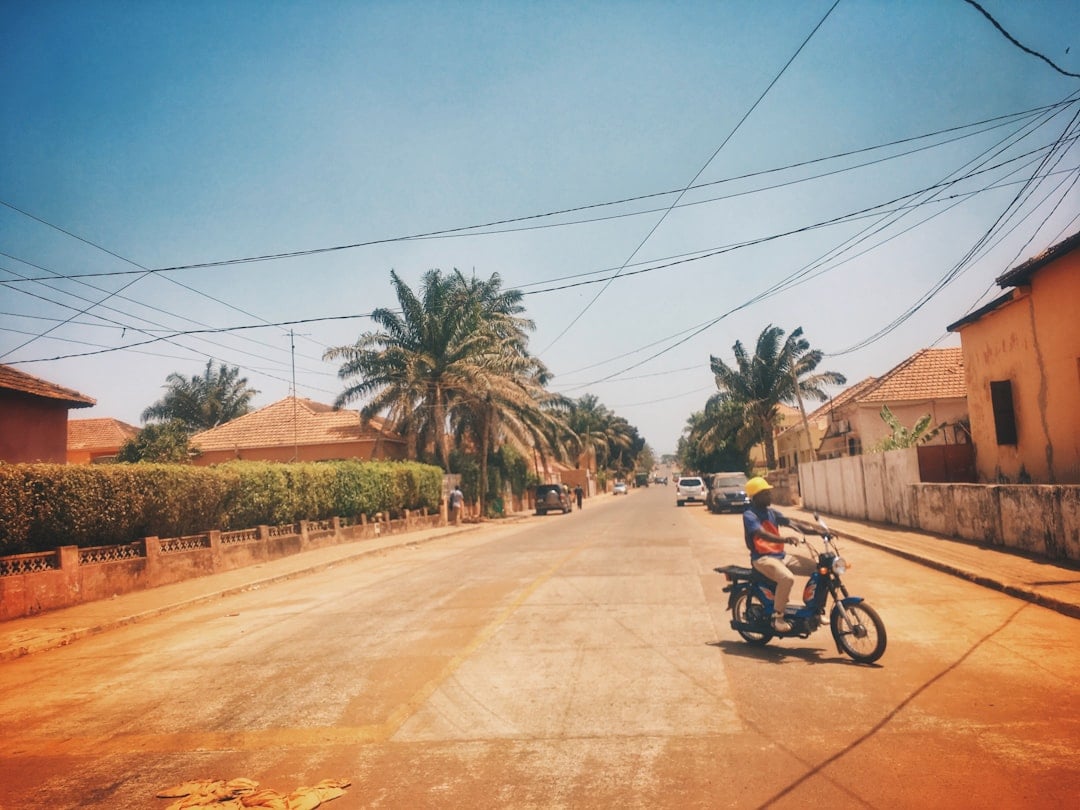
Featured image: Photo by Kaysha on Unsplash.



2026 Awareness Days Wall Planner
Every key awareness day at a glance. Perfect for offices, staff rooms, and team planning.
View Calendar →