- This event has passed.
World Hirola Day
August 12
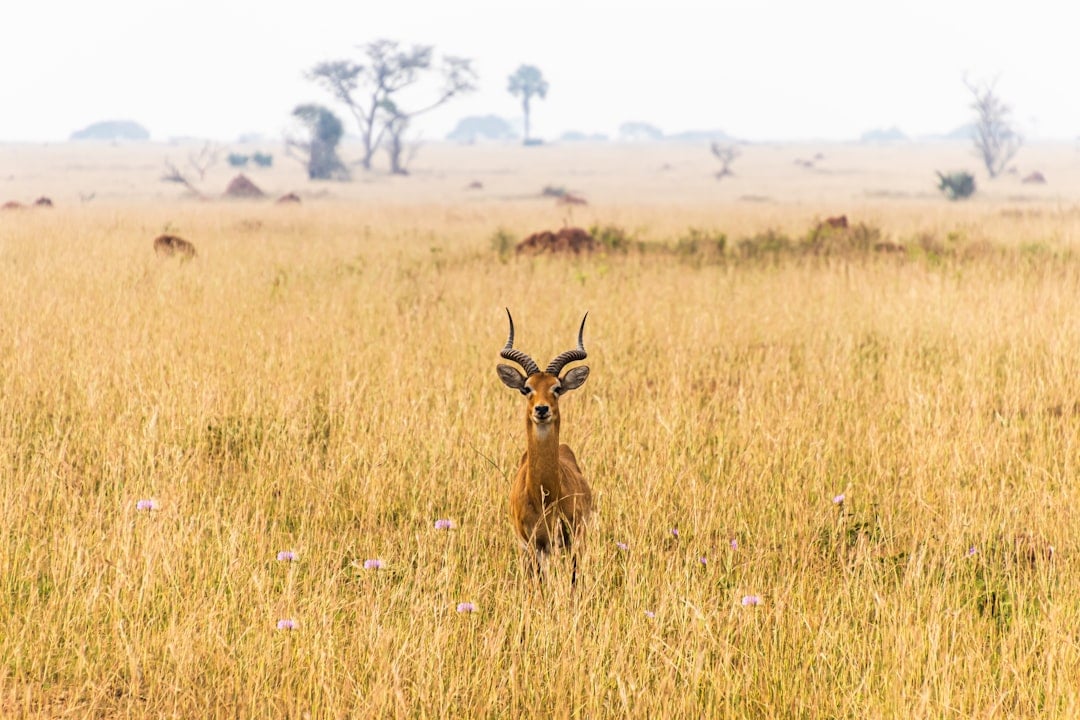
About World Hirola Day
World Hirola Day takes place every year on 12 August and raises awareness of the hirola, one of the most endangered antelopes on the planet. The day was established to draw attention to a species teetering on the brink of extinction and to support the conservation efforts working to save it. It is observed internationally and deliberately shares its date with World Elephant Day to link the fates of two iconic African animals.
What is World Hirola Day?
World Hirola Day is a conservation awareness day dedicated to the hirola, also known as Hunter’s hartebeest or Hunter’s antelope. The hirola is found in the wild only in a small area along the border between Kenya and Somalia, and not a single individual exists in captivity anywhere in the world. The day is championed by the Hirola Conservation Programme, a community-led organisation based in eastern Kenya, and is aimed at conservationists, students, wildlife enthusiasts and anyone concerned about biodiversity loss.
When is World Hirola Day?
World Hirola Day is held on 12 August every year. In 2026 it falls on Wednesday, 12 August. The date is fixed and coincides with World Elephant Day, a deliberate choice intended to connect the conservation stories of these two threatened species.
Why World Hirola Day Matters
The hirola is in a genuinely precarious position. The global population is estimated at just 300 to 500 animals, and numbers have fallen dramatically from the tens of thousands recorded in the 1970s. The International Union for Conservation of Nature has warned that losing the hirola would represent the first extinction of a mammalian genus on mainland Africa in modern human history. Because the hirola is the sole surviving member of its genus, Beatragus, its disappearance would erase an entire branch of the evolutionary tree. The day matters because it keeps a little-known species in the public eye and helps direct support towards the people working to protect it.
How to Get Involved in World Hirola Day
There are many ways to support the hirola and spread the word about its plight:
- Learn about the species – Read about the hirola’s biology, habitat and the threats it faces so you can share accurate information with others.
- Donate to conservation work – Support the Hirola Conservation Programme or other organisations funding habitat protection and community ranger teams.
- Spread awareness online – Share facts, photos and links on social media to reach people who have never heard of the hirola.
- Support community-led conservation – Back projects that work with local pastoralist communities, whose involvement is essential to the hirola’s survival.
- Teach others – If you work in education, use the day as a chance to introduce students to endangered species and the idea of biodiversity.
- Champion habitat protection – Learn how the loss of grassland to tree encroachment has harmed the hirola and why restoring open rangeland helps.
- Connect it to World Elephant Day – Use the shared date to highlight how many African species face linked pressures from habitat loss and human activity.
History of World Hirola Day
The first World Hirola Day was marked on 12 August 2015 by the Hirola Conservation Programme. The organisation chose the date so it would fall on the same day as World Elephant Day, helping a relatively obscure antelope benefit from the attention already drawn to elephants. Since then the day has been observed annually as a focal point for fundraising, education and media coverage.
The hirola’s decline began long before the day was created. Once numbering in the tens of thousands across the Kenya and Somalia border region, the population collapsed through the late twentieth century due to a combination of drought, disease, predation, poaching and the loss of the open grassland the species depends on. By the time conservationists raised the alarm, only a few hundred animals remained.
If you care about protecting threatened wildlife, you may also want to mark Scimitar-Horned Oryx Day, which celebrates another antelope brought back from the edge through dedicated conservation. The Hirola Conservation Programme continues to run a predator-proof sanctuary and works closely with local communities to give the species a fighting chance.
Noteworthy Facts About World Hirola Day
- The first World Hirola Day was held on 12 August 2015.
- The hirola is the only living member of its genus, Beatragus, making it evolutionarily unique.
- There are no hirola in captivity anywhere in the world, so wild conservation is the only option.
- The global population is estimated at just 300 to 500 individuals.
- The species is found in the wild only along the Kenya and Somalia border.
Frequently Asked Questions
What is World Hirola Day?
It is an international conservation awareness day for the hirola, a critically endangered antelope found only in Kenya near the Somali border. It highlights the species’ plight and supports efforts to save it.
When is World Hirola Day in 2026?
It takes place on Wednesday, 12 August 2026, the same date every year and shared with World Elephant Day.
Why is the hirola so endangered?
The hirola has suffered from drought, disease, poaching, predation and the loss of its open grassland habitat. With only a few hundred animals left and none in captivity, it is considered critically endangered.
Spread the Word
Help raise awareness by sharing World Hirola Day with your friends, family and followers. Use the hashtags #WorldHirolaDay and #WorldHirolaDay2026 on social media. The more people who know about the hirola, the bigger the impact.
Related Awareness Days
- World Elephant Day – Shares the same date and highlights the conservation challenges facing African wildlife.
- Scimitar-Horned Oryx Day – Celebrates another threatened antelope and the work to restore its numbers.
- World African Wild Dog Day – Raises awareness of one of Africa’s most endangered carnivores.
Links
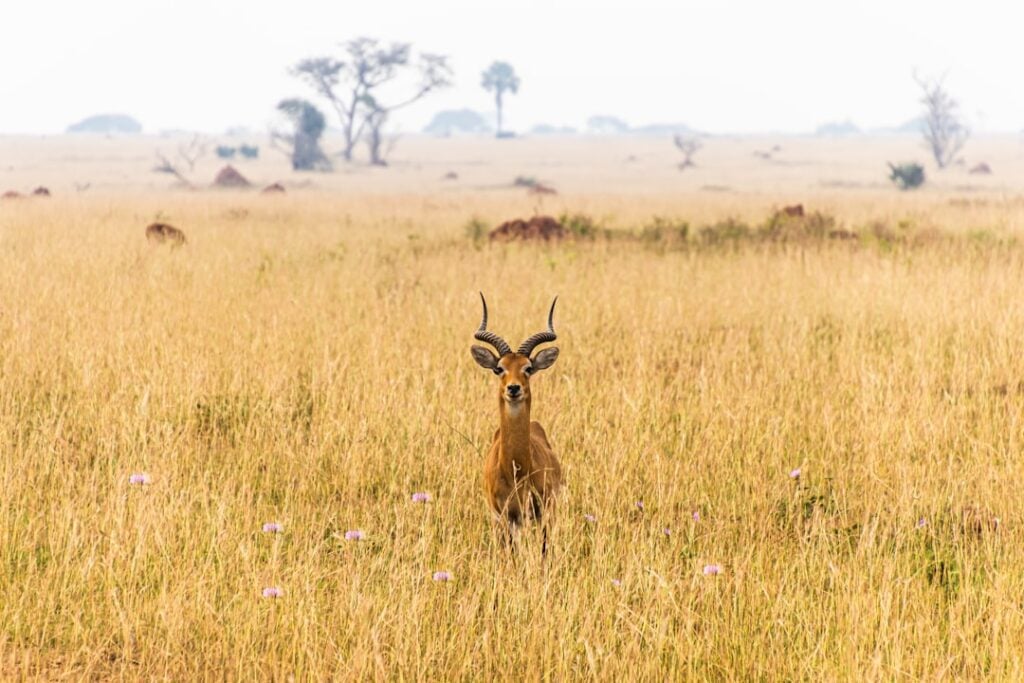
Featured image: Photo by Andrew S on Unsplash.







2026 Awareness Days Wall Planner
Every key awareness day at a glance. Perfect for offices, staff rooms, and team planning.
View Calendar →