
Eswatini – Independence Day 2027
Monday 6 September 2027
Eswatini Independence Day, known nationally as Somhlolo Day, is celebrated every year on 6 September. It marks the day in 1968 when the Kingdom of Eswatini, then called Swaziland, gained full independence from British rule.
Add this date to my calendarA full year of awareness dates, ready to edit, print or sync.
Get the full 2027 awareness days calendar£49.99 a year. Renews annually.
On this page
Dates and event details
Eswatini – Independence Day 2026 was on Sunday 6 September 2026. The next Eswatini – Independence Day is on Monday 6 September 2027.
| Where | Eswatini |
|---|
About Eswatini – Independence Day
Eswatini Independence Day, known nationally as Somhlolo Day, is celebrated every year on 6 September. It marks the day in 1968 when the Kingdom of Eswatini, then called Swaziland, gained full independence from British rule. In 2026 it falls on Sunday, 6 September, and is observed with grand ceremonies, traditional dances, and national pride across the country.
When and Where is Eswatini Independence Day Celebrated?
Eswatini Independence Day falls on 6 September every year. In 2026 it is observed on Sunday, 6 September. The largest celebrations take place at Somhlolo Stadium in Lobamba, the royal and legislative capital, where the King himself attends. The day is a public holiday across Eswatini, and Swazi communities abroad also mark the occasion.
The Story Behind Eswatini Independence Day
The road to independence was a long one. Swaziland had been a British protectorate for more than 65 years, making it one of the last British territories in Africa to achieve self-rule. Throughout that period, the Swazi people retained a strong sense of identity rooted in their monarchy and traditions, even under colonial administration.
Central to the independence story is King Sobhuza II, whose remarkable reign spanned more than 60 years. He established the Imbokodvo National Movement, a political party that championed traditional Swazi values while negotiating the terms of independence through patient diplomacy rather than conflict. His leadership ensured that the transition to nationhood preserved the kingdom’s cultural and royal heritage.
On 6 September 1968, the moment finally arrived. Britain’s Commonwealth Secretary, George Thompson, handed over the documents of independence, and Swaziland became a sovereign nation within the Commonwealth. King Sobhuza II, then 69 years old, presided over the historic occasion, and the world witnessed the birth of a free African kingdom.
The day takes its national name, Somhlolo Day, from King Sobhuza I, also known as Somhlolo, meaning “The Wonder”, who is revered as a founding figure of the Swazi nation. In April 2018, on the 50th anniversary of independence, King Mswati III announced that the country would be renamed the Kingdom of Eswatini, meaning “land of the Swazis”, restoring its indigenous name and distinguishing it from the similarly named Switzerland.
Traditions and Customs
Somhlolo Day is one of the most colourful occasions in the Eswatini calendar, blending state ceremony with deep cultural tradition:
- The national parade – A grand parade is held at Somhlolo Stadium, attended by the King and showcasing the defence forces in full ceremonial regalia, schools, and marching bands.
- Traditional dances – Swazi regiments perform powerful warrior dances, while groups of girls and women take part in dances wearing vibrant, colourful attire.
- Cultural shows and concerts – Music performances and cultural exhibitions celebrate Swazi heritage and bring communities together.
- Family gatherings and feasting – Families come together to share traditional dishes, making the day as much a domestic celebration as a national one.
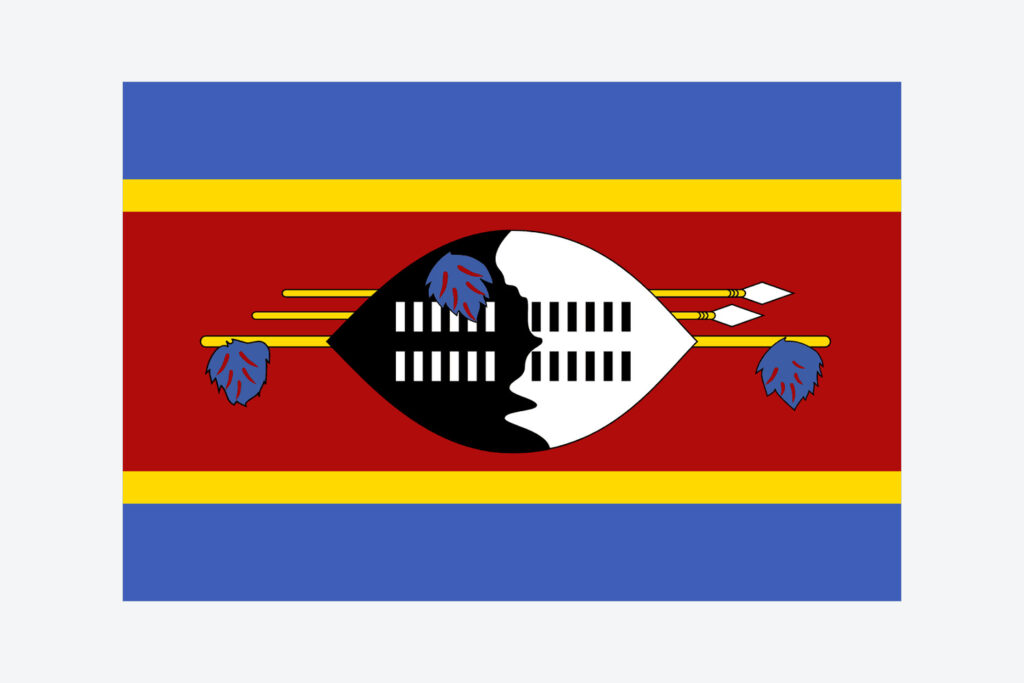
- Display of the national flag – Public institutions and private homes raise the Eswatini flag, with its distinctive shield and spears, in honour of the day.
Ways to Celebrate Eswatini Independence Day
Whether you are in Eswatini or marking the day from elsewhere, there are many ways to take part:
- Learn about Swazi history – Read about King Sobhuza II and the peaceful path to independence to appreciate the day’s significance.
- Attend or stream the celebrations – If you are in the country, head to Somhlolo Stadium, or follow the festivities online from afar.
- Cook a traditional Swazi dish – Try preparing local foods such as sidvudvu or emasi to bring a taste of Eswatini to your table.
- Explore Swazi culture – Listen to traditional music, watch recordings of regimental dances, and learn a few words of siSwati.
- Display the flag – Show your respect by displaying the Eswatini flag or its colours.
- Share the story – Use social media to share the history of Somhlolo Day and help others discover this proud African nation.
Facts and Figures
- Eswatini gained independence from Britain on 6 September 1968 after more than 65 years as a protectorate.
- The day is officially called Somhlolo Day, named after King Sobhuza I, known as Somhlolo or “The Wonder”.
- King Sobhuza II, who led the country to independence, reigned for over 60 years, one of the longest documented reigns in history.
- Swaziland was renamed the Kingdom of Eswatini in April 2018 to mark the 50th anniversary of independence.
- The main celebrations are held at Somhlolo Stadium in Lobamba, the royal capital.
Links
Hashtags
Share Eswatini Independence Day with your community using #SomhloloDay and #EswatiniIndependenceDay2026. Whether you mark the occasion with a traditional dish, a flag, or simply by learning about Swazi history, every bit of awareness helps keep this proud tradition alive.
Frequently asked questions
What is Eswatini Independence Day?
It is the national day, known as Somhlolo Day, marking Eswatini’s independence from British rule on 6 September 1968. It celebrates Swazi sovereignty, monarchy, and culture.
When is Eswatini Independence Day in 2026?
It falls on Sunday, 6 September 2026.
Why is it called Somhlolo Day?
The day is named in honour of King Sobhuza I, also known as Somhlolo, meaning “The Wonder”, who is revered as a founding figure of the Swazi nation.