

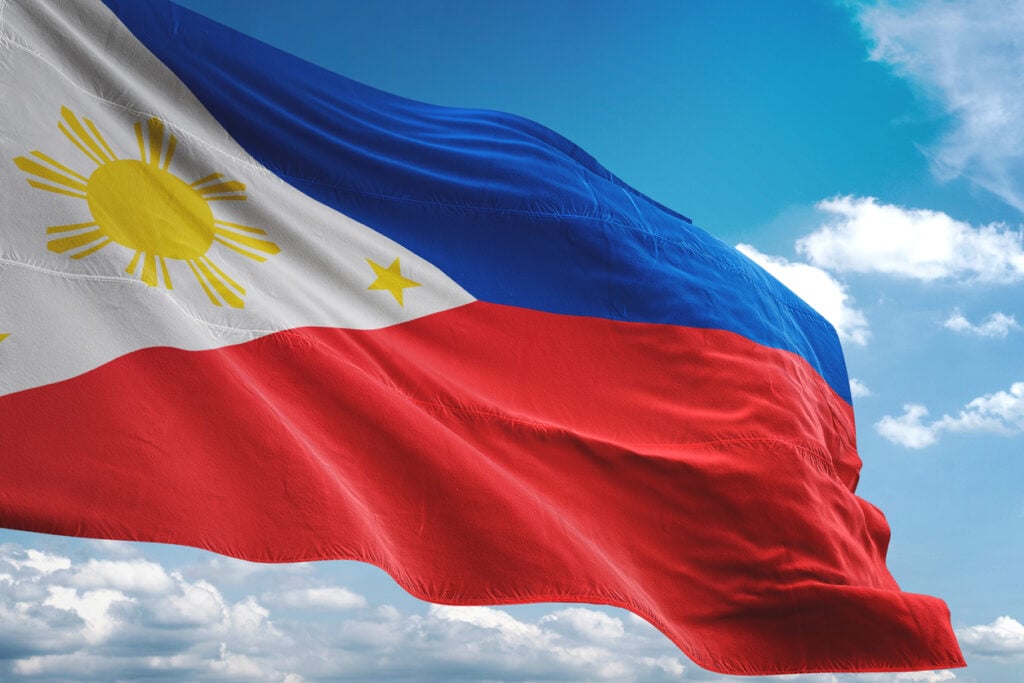
Philippines – Independence Day 2027
Saturday 12 June 2027 · every year on 12 June
Philippine Independence Day, known in Filipino as Araw ng Kalayaan, is the national day of the Philippines.
Also on 12 June: Drowning Prevention Week · King’s Birthday · National Button Battery Awareness Day
The Story Behind Philippine Independence Day
Philippine Independence Day, known in Filipino as Araw ng Kalayaan, is the national day of the Philippines. It commemorates the declaration of independence from Spain on 12 June 1898. The day is celebrated annually on 12 June, and in 2027 it falls on Saturday 12 June.
By the late nineteenth century the Philippines had been under Spanish colonial rule for more than three hundred years. Resentment at that long domination boiled over into the Philippine Revolution of 1896, a movement that drew together reformers, soldiers, and ordinary people determined to end Spanish control. At the head of the revolutionary forces was General Emilio Aguinaldo, who would become the central figure in the events of June 1898.
On the afternoon of 12 June 1898, between four and five o’clock, independence was proclaimed from the balcony of Aguinaldo’s ancestral home in Cavite el Viejo, the town now known as Kawit, around thirty kilometres south of Manila. The ceremony was rich in symbolism. The new national flag, sewn in Hong Kong by Marcela Agoncillo with the help of her daughter Lorenza and Delfina Herbosa de Natividad, was unfurled for the first time, and the Marcha Filipina Magdalo, later renamed Lupang Hinirang, was played as the national anthem by the San Francisco de Malabon band.
The Act of the Declaration of Independence had been written and was read aloud in Spanish by Ambrosio Rianzares Bautista. It was signed by ninety-eight people, including an American army officer present as a witness. Yet the proclamation was not recognised by either Spain or the United States. Under the 1898 Treaty of Paris, Spain ceded the Philippines to the United States, and the country would not gain full sovereignty until 4 July 1946.
For decades the Philippines marked its independence on 4 July, the date of the 1946 transfer from American control. That changed in 1962, when President Diosdado Macapagal moved the celebration to 12 June. The shift honoured the original 1898 declaration and deliberately distanced the national day from the American colonial period, reclaiming the date on which Filipinos first declared themselves free.
When and Where is Philippine Independence Day Celebrated?
Philippine Independence Day is observed on 12 June each year, and in 2027 it falls on Saturday 12 June. It is a national public holiday throughout the Philippines, with the principal ceremonies held in Manila and at the Aguinaldo Shrine in Kawit, Cavite, where the original declaration took place. Filipino communities around the world also mark the day with parades, cultural shows, and flag-raising ceremonies.
Plan around Philippines – Independence Day and every key date in June
The Awareness Days Toolkit puts every awareness day and key date for 2027, filled in: a Google Sheet that refreshes itself, Excel, printable PDF calendars and a calendar feed. The rest of 2026 is included.
Traditions and Customs
The day mixes formal state ritual with community celebration. Common customs include:
- The flag-raising ceremony – The day begins with the hoisting of the Philippine flag, often led by the President at the Rizal Park area or the Aguinaldo Shrine.
- Military and civic parades – Armed forces, government bodies, and community groups march through the streets in a display of national pride.
- Wreath-laying for national heroes – Officials honour figures such as Emilio Aguinaldo and Jose Rizal who shaped the country’s path to freedom.
- Cultural performances – Folk dances, music, and historical re-enactments bring the events of 1898 to life for new generations.
- Display of the national colours – Homes, vehicles, and public buildings are decked out in the blue, red, white, and golden yellow of the Philippine flag.
Ways to Celebrate Philippine Independence Day
There are many ways to mark Araw ng Kalayaan, whether in the Philippines or abroad:
- Attend a flag-raising ceremony – Join a local or community event to watch the national flag hoisted at dawn.
- Learn the story of 1898 – Read about the declaration at Kawit and the figures who signed it.
- Cook a Filipino feast – Prepare dishes such as adobo, lechon, or pancit to share with family and friends.
- Visit the Aguinaldo Shrine – If you are near Cavite, see the balcony where independence was first proclaimed.
- Fly the flag – Display the Philippine flag at home or wear its colours to show your pride.
- Support Filipino culture – Watch a Filipino film, listen to Lupang Hinirang, or share the history with younger relatives.
Facts and Figures
- Independence was proclaimed in Kawit, Cavite, on 12 June 1898.
- The Philippines had been under Spanish rule for more than 300 years before the declaration.
- The Act of the Declaration of Independence was signed by 98 people.
- The national day was moved from 4 July to 12 June by President Diosdado Macapagal in 1962.
- The first Philippine flag was sewn in Hong Kong by Marcela Agoncillo and her companions.
Hashtags
Links



Frequently asked questions
What is Philippine Independence Day?
It is the national day of the Philippines, marking the declaration of independence from Spain on 12 June 1898. It is known in Filipino as Araw ng Kalayaan.
When is Philippine Independence Day in 2027?
It falls on Saturday 12 June 2027. The date is fixed and observed every year.
Why was the date changed from 4 July to 12 June?
President Diosdado Macapagal moved the celebration to 12 June in 1962 to honour the original 1898 declaration and to separate the national day from the American colonial period, which had been associated with the 4 July date.
More awareness days in June
See all → 14–20 JunWeek14 Jun to 20 JunWeekHealth & WellbeingInternationalMen’s Health Week 2027
 14–20 JunWeek14 Jun to 20 JunWeekFood & NutritionUKNational Picnic Week
 19 Jun19 JunSaturdayGlobal & NationalUSJuneteenth
 20 Jun20 JunSundayJune Awareness DaysUKFather’s Day UK
 21 Jun21 JunMondaySeasonalInternationalSummer Solstice 2027
 21 Jun21 JunMondayArts & CultureInternationalWorld Music Day
 22 Jun22 JunTuesdayGlobal & NationalInternationalWindrush Day 2027
 28 Jun – 11 JulWeek28 Jun to 11 JulWeekSeasonalInternationalWimbledon 2027