

Croatia Independence Day 2026
Thursday 25 June 2026
Croatia Independence Day, known in Croatian as Dan neovisnosti, is observed every year on 25 June.
Also on 25 June: Global Beatles Day · Day of the Seafarer · World Decarbonisation Day
The Story Behind Croatia Independence Day
Croatia Independence Day, known in Croatian as Dan neovisnosti, is observed every year on 25 June. It commemorates the day in 1991 when the Croatian Parliament adopted the Constitutional Decision on the Sovereignty and Independence of the Republic of Croatia, formally declaring the country’s break from the Socialist Federal Republic of Yugoslavia. The date marks one of the defining moments in modern Croatian history.
The road to Croatian independence ran through the collapse of communist Yugoslavia at the turn of the 1990s. After decades within a single federal state, the constituent republics began pulling in different directions as the central system lost its grip. In Croatia, the first free multi-party elections in 1990 brought the Croatian Democratic Union (HDZ), led by Franjo Tuđman, to power. Tuđman would go on to become the first president of an independent Croatia and a central figure in the events that followed.
On 19 May 1991, Croatia held a referendum on independence. Voters were asked whether Croatia should become a sovereign and independent state, and the proposal was approved by roughly 93 percent of those who took part. The result gave the parliament, the Sabor, a clear democratic mandate to act. A little over a month later, at a joint session of all three parliamentary chambers on 25 June 1991, the Sabor passed both the Constitutional Decision on the Sovereignty and Independence of the Republic of Croatia and the Declaration on the Establishment of the Sovereign and Independent Republic of Croatia. It is this vote that 25 June now commemorates.
Independence did not take effect smoothly. Under international pressure and the terms of the Brioni Agreement brokered that summer, Croatia agreed to a three-month moratorium on putting the declaration into practice. The country finally severed all remaining ties with Yugoslavia on 8 October 1991. By then, the Croatian War of Independence, often called the Homeland War in Croatia, was already underway. Fighting between Croatian forces and the Serb-controlled Yugoslav People’s Army, alongside local Serb units, would continue until 1995 and cost thousands of lives before Croatia secured its territory.
International recognition followed in stages. The European Economic Community granted Croatia diplomatic recognition on 15 January 1992, and the country was admitted to the United Nations in May 1992. The young state had been born, but it carried the weight of a hard and costly war, a memory that gives the day much of its solemnity even now.
When and Where is Croatia Independence Day Celebrated?
Croatia Independence Day falls on Thursday, 25 June 2026. It is observed annually on the same fixed date across Croatia and among Croatian communities abroad, from neighbouring European countries to diaspora populations in the Americas and Australia. The date does not move from year to year, so it always lands on 25 June.
The status of the date has shifted over the decades, which often causes confusion. From 1991 onwards 25 June was associated with the original declaration, but in 2002 the government of Ivica Račan reorganised the calendar and made 25 June the official Statehood Day, while Independence Day was marked on 8 October. In November 2019 the Croatian Parliament adopted a new law on holidays and restored Independence Day to 25 June, where it remains today. Statehood Day, meanwhile, returned to 30 May, marking the convening of the first modern multi-party parliament in 1990. So while 25 June is the focus of this commemoration, it sits alongside several other dates in the Croatian national calendar.
Plan around Croatia Independence Day and every key date in June
The Awareness Days Toolkit puts every awareness day for 2026 and 2027 in a spreadsheet, printable PDF calendars and an iCal feed that keeps itself up to date.
Traditions and Customs
The day blends official ceremony with quiet reflection on the cost of nationhood. Common observances include:
- State ceremonies – Government officials and the President take part in formal events that honour the 1991 declaration and pay tribute to those who served and died during the Homeland War.
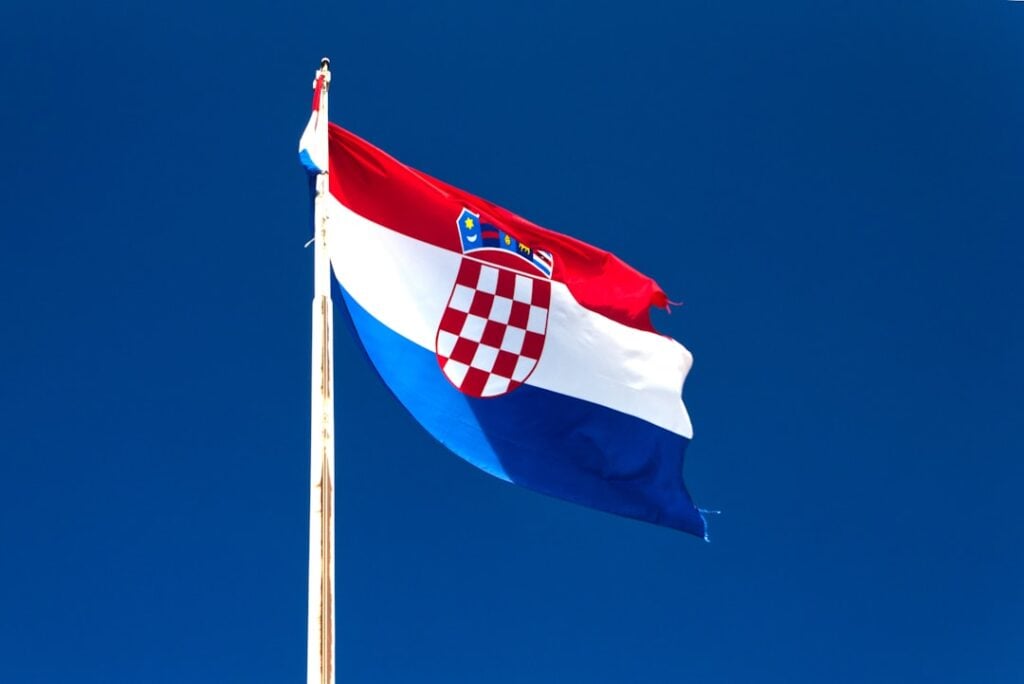
- Flag displays – The red, white and blue tricolour with the chequered šahovnica coat of arms is flown widely on public buildings and in homes, a visible symbol of the sovereignty declared in 1991.
- Wreath-laying and remembrance – Many communities lay wreaths at memorials to fallen soldiers and civilian victims, tying the celebration of independence to remembrance of those who secured it.
- Cultural programmes – Exhibitions, concerts and documentary screenings recount the independence struggle and the events of the early 1990s for younger generations.
- Educational events – Schools and civic groups hold talks and presentations that explain the referendum, the parliamentary vote and the war that followed.
Ways to Celebrate Croatia Independence Day
Whether you are Croatian, have Croatian heritage, or simply want to understand the country’s story, there are meaningful ways to mark the day:
- Read about the Homeland War – Learning how independence was won and defended gives the date its full weight beyond the headline declaration of 25 June 1991.
- Explore Croatian culture – Listen to traditional klapa singing, watch a Croatian film, or read work by Croatian authors to connect with the nation’s identity.
- Cook a Croatian meal – Try regional dishes such as peka, black risotto or štrukli to bring a taste of the country to your table.
- Visit a Croatian community event – Diaspora associations in many countries hold gatherings around national days that welcome visitors.
- Display or share the flag – Marking the tricolour on social media is a simple way to acknowledge the occasion and prompt others to learn more.
- Support Croatian businesses – Buying from Croatian producers, restaurants or tourism operators is a practical way to celebrate the country’s independence and economy.
Facts and Figures
- The independence referendum of 19 May 1991 was approved by approximately 93 percent of those who voted.
- The Croatian Parliament passed the Constitutional Decision on Sovereignty and Independence on 25 June 1991.
- Following the Brioni Agreement, a three-month moratorium delayed implementation until 8 October 1991.
- The European Economic Community recognised Croatia on 15 January 1992, and the United Nations admitted it in May 1992.
- Independence Day was moved to 8 October in 2002 and restored to 25 June by parliamentary law in November 2019.
Hashtags
Links
- Read about 25 June Independence Day on the Croatian Parliament website
- Explore more awareness days at AwarenessDays.com
Featured image: Photo by Lucijan Blagonic on Unsplash.





Frequently asked questions
What is Croatia Independence Day?
Croatia Independence Day, or Dan neovisnosti, commemorates the Croatian Parliament’s decision on 25 June 1991 to declare Croatia a sovereign and independent state, breaking away from the Socialist Federal Republic of Yugoslavia.
When is Croatia Independence Day in 2026?
It falls on Thursday, 25 June 2026. The date is fixed and observed on 25 June every year.
Why does Croatia have several national days?
Croatia marks several key dates, including Statehood Day on 30 May, Independence Day on 25 June, and Victory and Homeland Thanksgiving Day on 5 August. The exact dates and names have been reorganised over the years, most recently in 2019, when Independence Day was restored to 25 June.
More awareness days in June
See all → 23–26 Jun23 Jun to 26 JunBusiness & FinanceInternationalAmazon Prime Day 202625Jun25 Jun25 JunThursdayArts & CultureInternationalBourdain Day
 25 Jun25 JunThursdayArts & CultureInternationalGlobal Beatles Day
 25 Jun25 JunThursdayEnvironmentInternationalWorld Decarbonisation Day
 25 Jun25 JunThursdayGlobal & NationalInternationalDay of the Seafarer
 26 Jun26 JunFridayCommunityInternationalInternational Day in Support of Victims of Torture
 26 Jun26 JunFridayFood & NutritionUSNational Coconut Day26Jun26 Jun26 JunFridayGlobal & NationalInternationalMadagascar – Independence Day