
International Day of Clean Air for blue skies 2027
Tuesday 7 September 2027
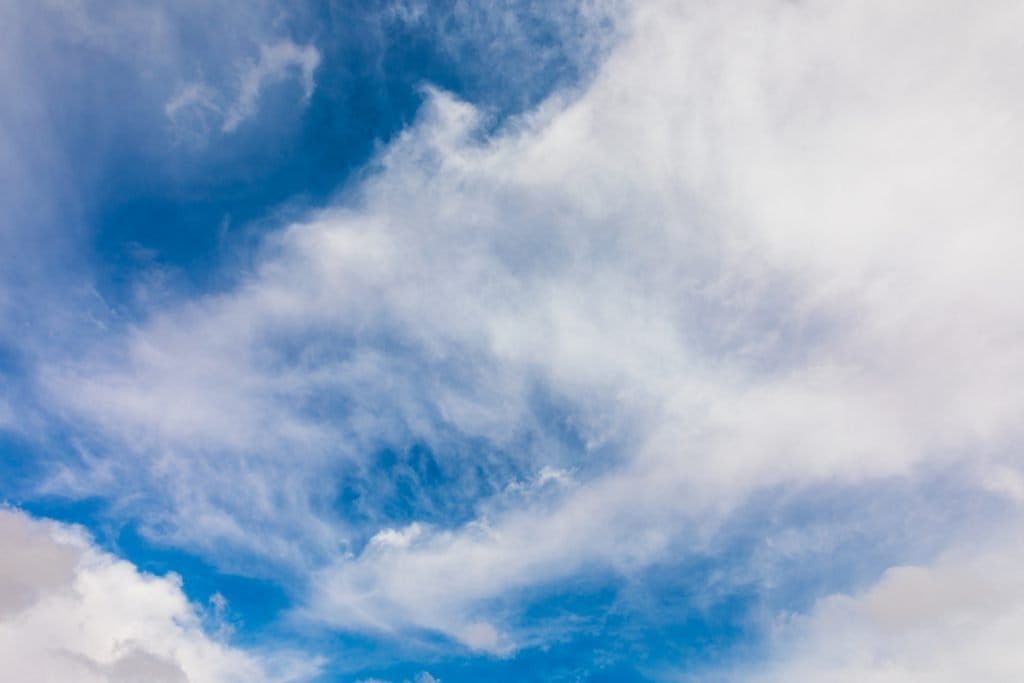
The International Day of Clean Air for blue skies is an annual awareness day dedicated to the importance of clean air for health, productivity, the economy and the environment.
Add this date to my calendarA full year of awareness dates, ready to edit, print or sync.
Get the full 2027 awareness days calendar£49.99 a year. Renews annually.
On this page
Dates and event details
International Day of Clean Air for blue skies 2026 was on Monday 7 September 2026. The next International Day of Clean Air for blue skies is on Tuesday 7 September 2027.
| Where | International |
|---|
What is the International Day of Clean Air for blue skies?
The International Day of Clean Air for blue skies is an annual awareness day dedicated to the importance of clean air for health, productivity, the economy and the environment. It is observed worldwide and coordinated by UNEP, working alongside the Climate and Clean Air Coalition and member states. The day highlights the need to act on air pollution at every level, from international agreements to local choices, and it encourages countries to share knowledge, data and solutions. Each year carries a specific theme that frames the global conversation.
The International Day of Clean Air for blue skies is a United Nations observance held every year on 7 September. In 2027 it falls on Tuesday 7 September. Led by the United Nations Environment Programme (UNEP), the day calls for stronger international cooperation to improve air quality, reduce air pollution and protect the health of people and the planet. It is a moment for governments, businesses, communities and individuals to recognise the importance of clean air and to act on one of the world’s greatest environmental health risks.
When is the International Day of Clean Air for blue skies?
The day is observed annually on 7 September. In 2027 this falls on a Tuesday. The date is fixed and does not change from year to year, which makes it easy to plan campaigns, school activities and community events well in advance. It sits within a busy season of environmental observances, complementing events such as World Car Free Day later in September.
How to Get Involved in the International Day of Clean Air for blue skies
There are many ways to mark the day, whether you are an individual, a school, a workplace or a local authority:
- Leave the car at home – Walk, cycle or use public transport for the day to cut the tailpipe emissions that contribute heavily to urban air pollution.
- Check your local air quality – Use a national or city air quality index to understand pollution levels where you live, and learn what the readings mean for vulnerable people.
- Host an event or webinar – Schools, councils and community groups can run talks, clean-air walks or tree-planting sessions to raise local awareness.
- Reduce energy use at home – Switching to cleaner heating and cutting unnecessary energy consumption lowers the pollutants released into the air.
- Avoid burning waste and solid fuels – Open burning and inefficient stoves are major sources of harmful particles, so choosing cleaner alternatives makes a real difference.
- Support clean-air policies – Back local measures such as low-emission zones, cleaner public transport and stronger industrial standards.
- Spread the message online – Share facts, your local air data and the day’s theme using the official hashtags to reach a wider audience.
- Plant trees and green your space – Urban greenery helps filter pollutants and cool cities, improving air quality for whole neighbourhoods.
Why the International Day of Clean Air for blue skies Matters
Air pollution is the single largest environmental health risk in the world. According to the World Health Organization, around 7 million people die prematurely every year from exposure to polluted air, with roughly 4.2 million of those deaths linked to outdoor pollution and around 3.8 million to household air pollution from cooking with solid fuels. Nine out of ten people globally breathe air that exceeds WHO air quality guideline levels, and the heaviest burden falls on low- and middle-income countries, where about 89 per cent of pollution-related deaths occur.
The harm reaches far beyond the lungs. Air pollution is linked to strokes, heart disease, lung cancer, diabetes and dementia, and it disproportionately affects children, older people and those living near busy roads or industry. Tackling the pollutants that dirty our air, such as black carbon and methane, also slows climate change, so cleaner air and a more stable climate go hand in hand. That dual benefit is a central reason the United Nations created this day.
Noteworthy Facts About the International Day of Clean Air for blue skies
- The day was established by the UN General Assembly in 2019, with the first observance held on 7 September 2020.
- The Republic of Korea led the push for the day to be recognised internationally.
- The World Health Organization estimates around 7 million premature deaths each year are linked to air pollution.
- About 89 per cent of those deaths occur in low- and middle-income countries.
- Cutting short-lived climate pollutants such as black carbon and methane improves air quality and helps limit near-term global warming at the same time.
Links
- Visit the official International Day of Clean Air for blue skies website
- Explore more awareness days at AwarenessDays.com
Last reviewed: 2026-09-09. Date rolled to 2027-09-07 (fixed:09-07). Day updated Monday to Tuesday. Hashtag updated to 2027.
History of the International Day of Clean Air for blue skies
The day is a relatively recent addition to the international calendar. On 19 December 2019, the United Nations General Assembly adopted a resolution designating 7 September as the International Day of Clean Air for blue skies. The Republic of Korea championed the initiative, and the resolution was co-sponsored by a large group of member states, reflecting growing global concern about the health and economic costs of dirty air.
The first observance took place in 2020, with UNEP invited to facilitate the day in collaboration with other organisations and member states. The Climate and Clean Air Coalition, a partnership of governments and organisations working to reduce short-lived climate pollutants, has been closely involved in promoting the message that improving air quality and protecting the climate are deeply connected.
Since then, the day has grown each year, with national governments, cities, scientists and campaigners marking it through events, reports and pledges. Annual themes have focused attention on different angles of the issue, from investing in clean air to acting with urgency, building momentum for stronger action worldwide.
Hashtags
Help raise awareness by sharing the International Day of Clean Air for blue skies with your friends, family and followers. Use the hashtags #CleanAirForBlueSkies and #CleanAirForBlueSkies2027 on social media. The more people who understand the impact of air pollution, the greater the pressure for cleaner air everywhere.
Frequently asked questions
What is the International Day of Clean Air for blue skies?
It is a United Nations awareness day held every 7 September to promote clean air and stronger international action on air pollution. It is coordinated by UNEP and aims to protect human health and the environment.
When is the International Day of Clean Air for blue skies in 2026?
It takes place on Tuesday, 7 September 2027. The date is fixed and falls on 7 September every year.
Who organises the International Day of Clean Air for blue skies?
The United Nations Environment Programme (UNEP) facilitates the day, working with the Climate and Clean Air Coalition and UN member states. It was created by a resolution of the UN General Assembly in 2019.
More awareness days in September
See all → 10 Sep10 SepFridayHealth & WellbeingInternationalWorld Suicide Prevention Day 2027
 24 Sep24 SepFridayCancerUKMacmillan Coffee Morning 2027
 27 Sep27 SepMondaySeptember Awareness DaysUK, US, Australia and worldwideWorld Tourism Day 2027
 5 Sep5 SepSundaySeptember Awareness DaysUK, US, Australia and worldwideInternational Day of Charity 2026