

World Nature Conservation Day 2027
Wednesday 28 July 2027 · every year on 28 July
World Nature Conservation Day takes place every year on 28 July.
Also on 28 July: World Hepatitis Day · National Milk Chocolate Day · National Soccer Day
What is World Nature Conservation Day?
World Nature Conservation Day 2026 was on Tuesday 28 July 2026. The next World Nature Conservation Day is on Wednesday 28 July 2027.
World Nature Conservation Day takes place every year on 28 July. It is an international observance dedicated to protecting the natural resources that sustain life on Earth, including clean water, fertile soil, healthy forests, and the wide variety of plant and animal species that make up the planet’s biodiversity. The day encourages individuals, communities, governments, and businesses to recognise that a healthy environment is the foundation of a stable and prosperous society.
World Nature Conservation Day is an annual awareness day that highlights the importance of conserving natural resources and protecting ecosystems. It focuses on the elements that keep the natural world in balance: air, water, soil, forests, wetlands, and wildlife. The day is observed globally by environmental organisations, schools, charities, and government bodies, and it serves as a reminder that the resources we depend on are finite and need careful stewardship. Rather than being tied to a single founding body, it has grown into a widely recognised date used by conservation groups around the world to promote sustainable living and responsible use of nature.
When is World Nature Conservation Day?
World Nature Conservation Day falls on Wednesday 28 July 2027. The date is fixed and does not change from year to year, so it is observed on 28 July annually. This consistency makes it easy for schools, charities, and community groups to plan events and campaigns well in advance, and it places the observance firmly within the summer months in the Northern Hemisphere when many people are already spending time outdoors and engaging with the natural world.
Plan around World Nature Conservation Day and every key date in July
The Awareness Days Toolkit puts every awareness day for 2026 and 2027 in a spreadsheet, printable PDF calendars and an iCal feed that keeps itself up to date.
Why World Nature Conservation Day Matters
The scale of pressure on the natural world makes conservation more urgent than at any point in living memory. According to the IUCN Red List of Threatened Species, more than 48,000 species are currently at risk of extinction, and assessments suggest that close to half of all migratory species are in decline. In 2025 alone, the world lost an estimated 4.3 million hectares of tropical rainforest, while the climate crisis continues to drive more frequent and intense fires, floods, and droughts that degrade habitats further.
These losses are not abstract. Forests regulate rainfall and store carbon, wetlands filter water and protect against flooding, healthy soils grow the food we eat, and pollinators underpin much of global agriculture. When biodiversity declines, the natural systems that provide these services begin to fail, with direct consequences for food security, public health, and economic stability. World Nature Conservation Day exists to make these connections visible and to encourage practical action before more damage becomes irreversible.
How to Get Involved in World Nature Conservation Day
There are many ways to mark the day, whether you act alone, with your family, or as part of a larger group:
- Plant a tree or native plants – Trees and native species support local wildlife, store carbon, and help restore habitats. Even a single planted tree or a small pollinator-friendly patch in a garden makes a measurable difference over time.
- Join a local clean-up – Litter and plastic pollution harm rivers, beaches, and woodlands. Volunteering for an organised clean-up removes waste from sensitive habitats and connects you with others who care about conservation.
- Reduce your water and energy use – Conserving resources at home eases pressure on the wider environment. Fixing leaks, taking shorter showers, and switching off unused appliances all help protect natural systems.
- Support a conservation charity – Donating to or volunteering with organisations that protect habitats and species channels your efforts towards work with proven impact, from rewilding projects to anti-poaching patrols.
- Choose sustainable products – Buying responsibly sourced food, timber, and goods reduces demand for the deforestation and overexploitation that drive habitat loss.
- Cut single-use plastics – Swapping disposable items for reusable alternatives keeps plastic out of oceans and landfills, where it can take centuries to break down.
- Learn and teach – Reading about local ecosystems and sharing what you discover with children, friends, and colleagues builds the awareness that long-term conservation depends on.
- Create wildlife habitats – Installing a bird feeder, building a bug hotel, or leaving part of a garden to grow wild gives local species food and shelter close to home.
History of World Nature Conservation Day
The roots of World Nature Conservation Day lie in the wider environmental movement that gathered momentum during the second half of the twentieth century. A pivotal moment came in 1972 with the United Nations Conference on the Human Environment, held in Stockholm, Sweden. This was the first major international gathering to treat the environment as a global concern, and it helped establish the principle that protecting nature requires cooperation across borders.
The exact origin of the 28 July observance is not formally documented by a single founding declaration, which is common among awareness days that grow organically rather than through one official proclamation. Over the years, conservation organisations, educational institutions, and environmental campaigners adopted the date as a focal point for promoting the responsible use of natural resources. Its message aligns closely with the work of the International Union for Conservation of Nature, the body behind the widely cited Red List of Threatened Species.
Today the day sits within a broader calendar of environmental observances and connects to global frameworks such as the Kunming-Montreal Global Biodiversity Framework, adopted in 2022, which set 23 targets for halting and reversing biodiversity loss by 2030. As 2027 marks the halfway point towards that deadline, World Nature Conservation Day has taken on added significance as a moment to assess progress and renew commitment.
Noteworthy Facts About World Nature Conservation Day
- The day is observed on the same date, 28 July, every year, making it one of the more easily remembered environmental awareness days.
- The IUCN Red List, a central reference for conservation, has assessed more than 48,000 species as threatened with extinction.
- Tropical rainforest loss reached around 4.3 million hectares in 2025, an area larger than many small countries.
- Wetlands, among the most threatened ecosystems on Earth, provide water filtration and flood protection worth billions of pounds annually in natural services.
- The year 2027 falls exactly halfway between the 2022 adoption of the global biodiversity framework and its 2030 targets, putting conservation progress under close scrutiny.
Hashtags
Links
- Visit the IUCN, the leading authority on the conservation status of species
- Explore more awareness days at AwarenessDays.com
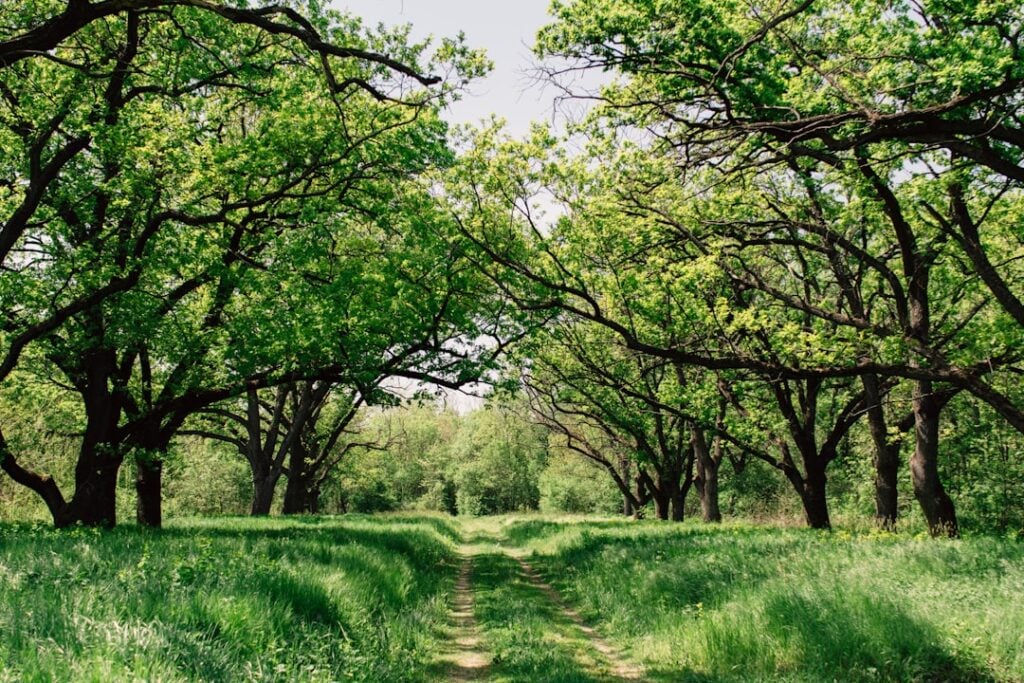
Featured image: Photo by Rodion Kutsaiev on Unsplash.






Frequently asked questions
What is World Nature Conservation Day?
World Nature Conservation Day is an annual international observance focused on protecting natural resources such as water, air, soil, forests, and wildlife. It encourages people to use these resources responsibly and to support efforts that preserve biodiversity for future generations.
When is World Nature Conservation Day in 2027?
World Nature Conservation Day is on Wednesday 28 July 2027. The date is fixed and is observed on 28 July every year.
How can I take part in World Nature Conservation Day?
You can take part by planting trees, joining a local clean-up, reducing your water and energy use, supporting a conservation charity, cutting single-use plastics, and creating wildlife-friendly spaces. Sharing what you learn with others helps extend the impact of the day.
More awareness days in July
See all → 30 Jul30 JulFridayCommunityInternationalWorld Friendship Day / International Day Of Friendship 2027
 1–31 JulMonth1 Jul to 31 JulMonthEnvironmentInternationalPlastic Free July 2027
 4 Jul4 JulSundayArts & CultureInternationalIndependence Day 2027
 7 Jul7 JulWednesdayFood & NutritionUK, US, Australia and worldwideWorld Chocolate Day 2027
 17 Jul17 JulSaturdayFun & QuirkyInternationalWorld Emoji Day 2027
 24 Jul24 JulSaturdayHealth & WellbeingUK, US, Australia and worldwideInternational Self-Care Day 2027
 28 Jul28 JulWednesdayHealth & WellbeingInternationalWorld Hepatitis Day 202728Jul28 Jul28 JulWednesdayGlobal & NationalInternationalKing Rama X’s Birthday