

International Day of the Tropics 2027
Tuesday 29 June 2027 · every year on 29 June
International Day of the Tropics is a United Nations observance held every year on 29 June.
Also this week: Independent Retailer Month · Thank You Day · Sarcoma Awareness Month
What is International Day of the Tropics?
International Day of the Tropics is a United Nations observance held every year on 29 June. It draws attention to the unique challenges and immense potential of the world’s tropical regions, encouraging governments, researchers, and the public to recognise the central role the tropics will play in the planet’s future.
International Day of the Tropics is a global awareness day designated by the United Nations General Assembly to highlight the specific issues faced by tropical nations and to celebrate the extraordinary diversity of these regions. The tropics are the area of the Earth roughly defined by the Tropic of Cancer in the north and the Tropic of Capricorn in the south, taking in much of Latin America, sub-Saharan Africa, South and Southeast Asia, and the Pacific. The day exists to raise awareness of the far-reaching implications of the challenges affecting the tropical world, from biodiversity loss to climate change and rapid population growth, and to underline the role these countries will play in achieving the UN Sustainable Development Goals.
When is International Day of the Tropics?
International Day of the Tropics falls on Tuesday 29 June 2027. The date is fixed and the observance takes place on 29 June every year, marking the anniversary of the launch of the inaugural State of the Tropics report in 2014. Because the date never changes, it is easy to plan school lessons, community events, and campaigns around it well in advance.
Plan around International Day of the Tropics and every key date in June
The Awareness Days Toolkit puts every awareness day for 2026 and 2027 in a spreadsheet, printable PDF calendars and an iCal feed that keeps itself up to date.
Why International Day of the Tropics Matters
The tropics are far more significant to global wellbeing than their position on the map might suggest. The region accounts for around 40 per cent of the world’s total surface area and is home to roughly 80 per cent of the planet’s biodiversity, including nearly 95 per cent of the world’s mangrove forests by area. Yet for every major group assessed by the International Union for Conservation of Nature, including mammals, birds, reptiles, amphibians, and trees, the tropics also contain the highest number and proportion of threatened species.
The human stakes are just as high. The tropics are home to around 40 per cent of the world’s population but house the majority of children under five, and within a few decades more than half of all people on Earth are expected to live there. The region holds just over half of the world’s renewable water resources, yet almost half its population is considered vulnerable to water stress. Climate change is projected to hit tropical communities first and hardest, making this observance a reminder that the wellbeing of these regions is bound up with the future of the whole planet.
How to Get Involved in International Day of the Tropics
There are many ways to mark the day, whether you live in the tropics or thousands of miles away:
- Learn about the State of the Tropics report – Read summaries of the UN-backed research to understand how the region is changing across health, environment, and the economy.
- Support tropical conservation charities – Donate to or volunteer with organisations protecting rainforests, mangroves, and coral reefs, which are among the most biodiverse and threatened habitats on Earth.
- Make sustainable shopping choices – Look for certified sustainable palm oil, timber, coffee, and cocoa, much of which is grown in tropical regions, to reduce pressure on tropical forests.
- Host an educational event – Schools, libraries, and community groups can run talks, film screenings, or quizzes about tropical ecosystems and the people who depend on them.
- Share verified facts online – Use your social media to post accurate information about the tropics and counter misinformation about deforestation and climate change.
- Reduce your carbon footprint – Since climate change disproportionately affects tropical communities, cutting your own emissions is a tangible way to show solidarity.
- Champion tropical voices – Read books, follow scientists, and amplify campaigners from tropical nations rather than speaking only about the region from the outside.
- Plant native trees – If you live in or near the tropics, support reforestation schemes that restore degraded land with native species.
History of International Day of the Tropics
The roots of the day lie in the State of the Tropics report, first launched on 29 June 2014. The report was the result of a three-year collaboration between twelve leading tropical research institutions, coordinated by James Cook University in Australia, and it offered one of the most comprehensive assessments ever produced of life across the tropical world. It examined the region through the lenses of environment, society, and economy, painting a picture of a fast-changing area of growing global importance.
Two years later, in 2016, the United Nations General Assembly adopted resolution A/RES/70/267, which declared that 29 June each year would be observed as the International Day of the Tropics. More than 70 countries co-sponsored the resolution, reflecting the wide recognition that the challenges and opportunities of the tropics matter to the entire international community. The date was deliberately chosen to coincide with the anniversary of the report’s launch.
Since the first observance in 2017, the day has been marked by UN agencies, universities, conservation groups, and governments around the world. Each year it serves as a focal point for discussion about how tropical nations can meet the Sustainable Development Goals while protecting the ecosystems that the rest of the world depends on.
Noteworthy Facts About International Day of the Tropics
- The tropics make up around 40 per cent of the Earth’s surface area yet host approximately 80 per cent of its biodiversity.
- The region contains nearly 95 per cent of the world’s mangrove forests by area and around 99 per cent of all mangrove species.
- By the 2050s, more than half of the world’s population is projected to live in the tropics, along with a majority of its young children.
- The inaugural State of the Tropics report was launched in Myanmar in 2014 by twelve research institutions.
- UN resolution A/RES/70/267, which created the day, was co-sponsored by more than 70 countries.
Hashtags
Links
- Visit the official United Nations International Day of the Tropics page
- Explore more awareness days at AwarenessDays.com
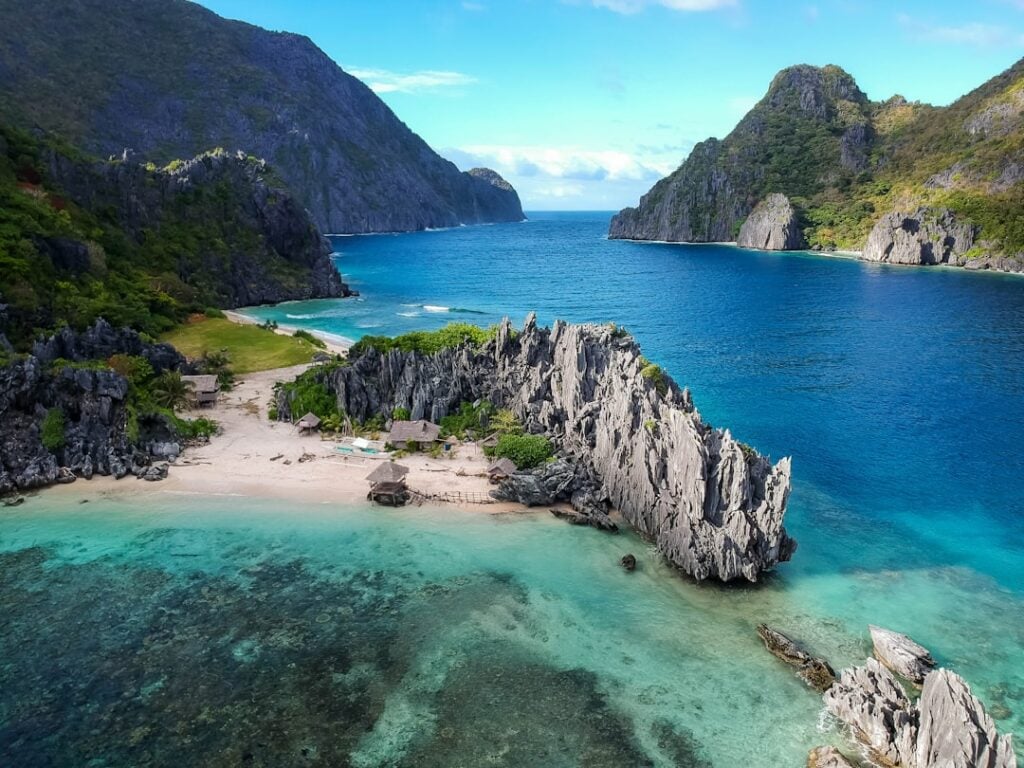
Featured image: Photo by Cris Tagupa on Unsplash.





Frequently asked questions
What is International Day of the Tropics?
It is a United Nations awareness day held on 29 June each year to highlight the specific challenges faced by tropical regions and to celebrate their extraordinary biodiversity, while stressing the role tropical nations play in sustainable development.
When is International Day of the Tropics in 2027?
It takes place on Tuesday 29 June 2027. The date is fixed and the day is observed on 29 June every year.
Who created International Day of the Tropics?
The United Nations General Assembly established the observance in 2016 through resolution A/RES/70/267, choosing 29 June to mark the anniversary of the 2014 launch of the State of the Tropics report.
More awareness days in June
See all → 1–30 JunMonth1 Jun to 30 JunMonthCommunityInternationalPride Month 2027
 1–7 JunWeek1 Jun to 7 JunWeekCommunityInternationalVolunteers Week 2027
 5 Jun5 JunSaturdayEnvironmentInternationalWorld Environment Day 2027
 14–20 JunWeek14 Jun to 20 JunWeekFood & NutritionUKNational Picnic Week
 14–20 JunWeek14 Jun to 20 JunWeekHealth & WellbeingInternationalMen’s Health Week 2027
 19 Jun19 JunSaturdayGlobal & NationalUSJuneteenth
 20 Jun20 JunSundayJune Awareness DaysUKFather’s Day UK
 21 Jun21 JunMondayArts & CultureInternationalWorld Music Day