Melon Day
August 8, 2027
About Melon Day
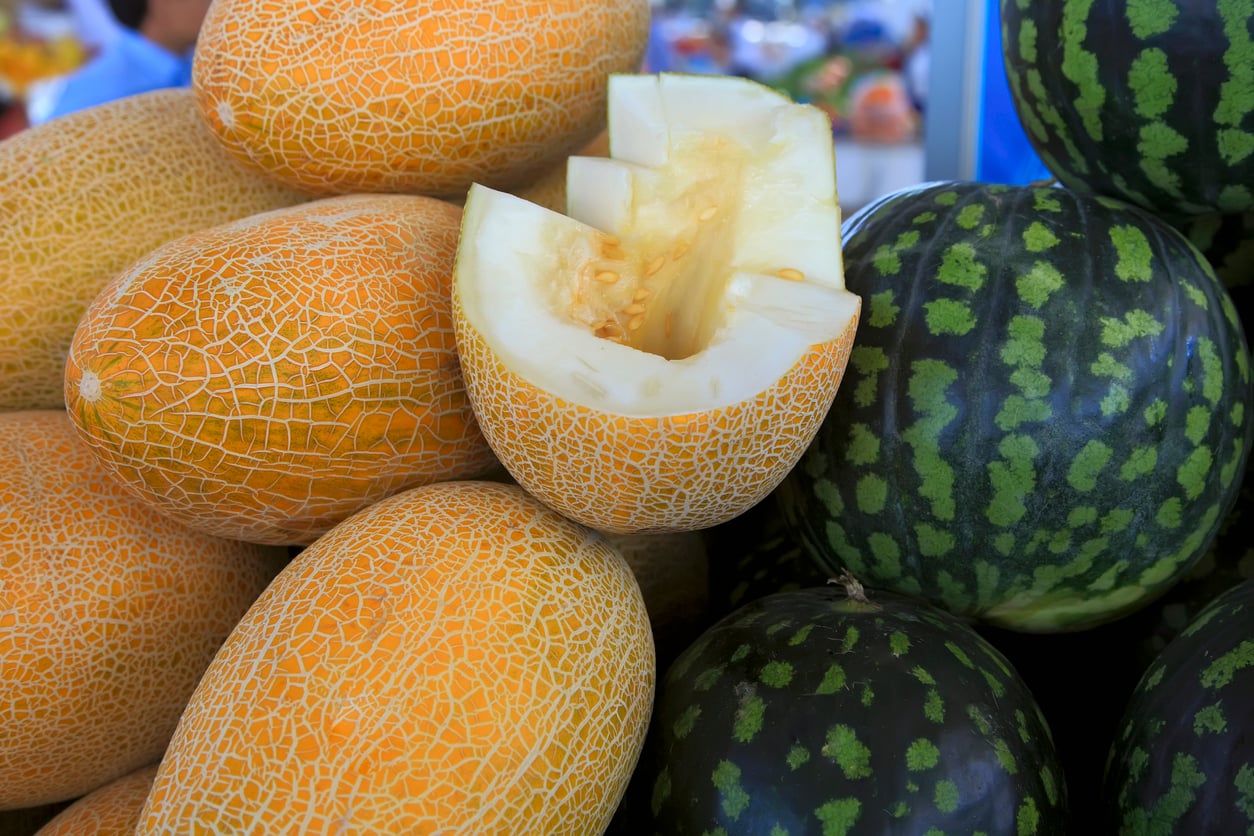
Melon Day is a national celebration observed in Turkmenistan on the second Sunday of August each year. Established in 1994 by presidential decree, it is one of the most distinctive national food holidays in the world, dedicated entirely to the melon, a crop that holds deep cultural, historical, and economic significance in Central Asia. In 2027, Melon Day falls on 8 August. The day is marked with fairs, exhibitions, tastings, musical performances, and official ceremonies celebrating Turkmenistan’s remarkable diversity of melon varieties and the agricultural heritage they represent.
What is Melon Day?
Melon Day, known in Turkmen as Gawun Bayramy, is a public holiday in Turkmenistan that honours the melon as a symbol of the nation’s land, climate, and agricultural ingenuity. Turkmenistan is home to approximately 400 distinct varieties of melon, cultivated across its vast desert and semi-arid landscapes. The melon has been central to the culture, cuisine, and trade of the region for centuries, prized for its sweetness, fragrance, and ability to thrive in the arid conditions of Central Asia.
The day is celebrated with public festivities across the country, particularly in the capital Ashgabat. Farmers bring their finest specimens from different regions to display at fairs and market events, where visitors can taste melons of different varieties, colours, and flavours. Competitions are held to identify the finest melons of the season, and awards are presented to outstanding growers. Concerts and cultural performances take place in parks and public squares as the holiday doubles as a late-summer community celebration.
When is Melon Day?
Melon Day falls on the second Sunday of August each year. In 2027, this is 8 August. The timing reflects the peak of the melon harvest season in Turkmenistan, when the country’s melons are at their finest and most abundant.
Why it Matters
Turkmenistan’s melons are not simply an agricultural product but a source of national identity and cultural pride. The variety and quality of Turkmen melons have been documented by travellers and scholars for more than a thousand years. The medieval Arab explorer Ibn Battutah, who visited Central Asia in the fourteenth century, wrote admiringly of the melons he encountered there. Zahiruddin Muhammad Babur, founder of the Mughal Empire, famously wept with longing for the melons of his homeland in Central Asia after he had been forced into exile.
In establishing Melon Day, Turkmenistan created a formal mechanism for honouring this heritage and for showcasing its agricultural achievements on an annual basis. The day also serves an economic function, drawing attention to the melon as a potential export product and supporting the country’s agricultural sector.
For observers outside Turkmenistan, Melon Day offers a fascinating window into a culture where a single crop can carry the weight of national identity. It is a reminder that food is never merely sustenance but is bound up with memory, landscape, and belonging.
How to Get Involved
- Try a new variety of melon: Many supermarkets and markets stock a range of melon varieties beyond the most common honeydew and cantaloupe. Use Melon Day as an occasion to try something new, such as Galia, Charentais, or Canary melon.
- Learn about Turkmenistan: Melon Day is an excellent entry point for exploring Turkmenistan’s culture, history, and landscape. The country remains relatively little known in the West despite its rich heritage and dramatic geography.
- Cook with melon: Beyond eating it fresh, melon can be used in salads, smoothies, cold soups, and even savoury dishes paired with cured meat, feta, or chilli. Explore its culinary versatility in the kitchen.
- Share on social media: Post about Melon Day using the hashtag #MelonDay and share something you have learned about Turkmenistan’s remarkable melon culture.
- Support local growers: Where possible, buy melons from local or regional growers at farmers’ markets rather than from large retailers, to appreciate the seasonal and local nature of this fruit.
History of Melon Day
Melon Day was established in 1994 by Saparmurat Niyazov, the first President of Turkmenistan following the country’s independence from the Soviet Union in 1991. Niyazov designated the second Sunday of August as a public holiday to honour the melon’s importance in Turkmen life and to create a formal occasion for celebrating the harvest.
The choice of the melon as the subject of a national holiday reflects the deep roots of melon cultivation in the region. Turkmenistan’s climate, characterised by long, intensely hot summers and mild, dry autumns, creates ideal conditions for growing sweet melons with high sugar content. Over centuries, Turkmen farmers developed and preserved hundreds of distinct varieties adapted to the specific soils and microclimates of different parts of the country.
The holiday has been maintained and expanded by subsequent leadership and remains one of Turkmenistan’s most distinctive cultural observances. In recent years, efforts have been made to promote Turkmen melons internationally, including through agricultural exhibitions and trade events.
Noteworthy Facts
- Turkmenistan cultivates approximately 400 distinct varieties of melon, more than almost any other country in the world.
- The medieval Arab traveller Ibn Battutah and the Mughal Emperor Babur both wrote admiringly of the exceptional quality of Central Asian melons.
- Melon Day was established in 1994 by presidential decree as a public holiday in Turkmenistan.
- The second Sunday of August coincides with the peak of the melon harvest season in Turkmenistan.
- A crossbred variety named the Turkmenbashi melon, after Turkmenistan’s first president, has been celebrated at Melon Day events for its exceptional size, aroma, and flavour.
- Turkmen melons can store for several months after harvest, a quality historically important for trade along the Silk Road routes that passed through Central Asia.
- Melon is a member of the Cucurbitaceae family, related to cucumbers, squash, and pumpkins.
For more food-focused global celebrations, you may also enjoy Cucumber Day and National Eat a Peach Day in the awareness days calendar.
Hashtags
#MelonDay #GawunBayramy #Turkmenistan #MelonFestival #CentralAsia #FoodCulture #NationalHoliday







2026 Awareness Days Wall Planner
Every key awareness day at a glance. Perfect for offices, staff rooms, and team planning.
View Calendar →