National Gardening Exercise Day
June 5, 2027
About National Gardening Exercise Day
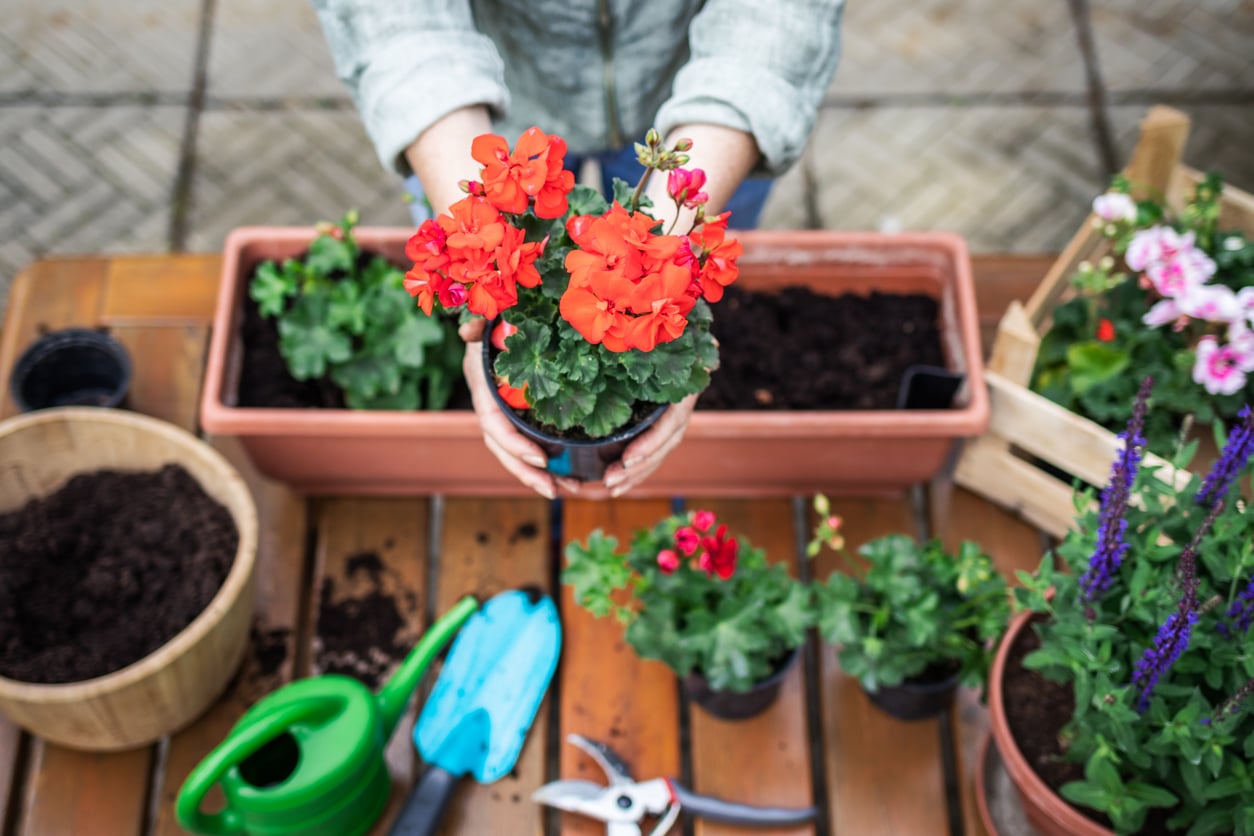
National Gardening Exercise Day is observed annually on the first Saturday of June. The day celebrates gardening as both a productive hobby and a meaningful form of physical activity, encouraging people to see time spent tending a garden as genuinely beneficial exercise. It highlights the numerous health benefits associated with gardening, from the physical demands of digging and planting to the mental wellbeing that comes from connecting with nature and watching things grow.
When is National Gardening Exercise Day?
National Gardening Exercise Day falls on the first Saturday of June each year. In 2027, it lands on Saturday, 5 June.
History of National Gardening Exercise Day
National Gardening Exercise Day was established to promote the recognition of gardening as a valid and valuable form of physical exercise. Some sources indicate the observance was created around 2002, though the specific founding individual or organisation behind it has not been definitively identified. What is clear is that the day emerged from a broader movement in health and wellness communities to highlight the physical demands of gardening and to encourage people to engage with outdoor activity through a pursuit many already enjoy.
As awareness of the connection between outdoor activity and health increased during the late 20th and early 21st centuries, advocates for wellbeing and outdoor recreation sought to highlight gardening as an accessible and rewarding exercise option. Unlike gym workouts, gardening requires no membership, no specialist equipment, and no commute. Its benefits are available to people of almost any age and fitness level.
Gardening as Exercise: The Evidence
The physical demands of gardening are often underestimated. A typical session in the garden involves a wide range of movements: digging, planting, weeding, watering, pruning, lifting, and harvesting. These activities engage multiple muscle groups, promote flexibility, and encourage cardiovascular health.
Research suggests that a gardener spending 30 to 45 minutes working outdoors can burn up to 300 calories, comparable to a moderate gym session. Digging and spading are particularly intensive, working the core, arms, and back. Even lighter activities such as weeding and planting require sustained low-level effort that contributes to overall fitness.
Beyond the physical benefits, gardening is consistently associated with improved mental wellbeing. Spending time in natural environments reduces cortisol levels and lowers the physiological markers of stress. Tending plants encourages mindfulness and patience, and completing gardening tasks provides a sense of achievement and purpose. Studies have also linked regular gardening with reduced rates of depression and anxiety, and some therapeutic programmes use gardening specifically as a mental health intervention.
For older adults in particular, gardening offers a gentle but meaningful form of exercise that supports mobility, dexterity, and balance while providing a reason to spend time outdoors and stay socially connected with neighbours and community gardening groups.
Why It Matters
In an era when many people spend the majority of their waking hours seated indoors, National Gardening Exercise Day serves as a reminder that physical activity does not need to happen in a gym. Gardens, parks, allotments, balcony containers, and community growing spaces all offer opportunities to move, stretch, and engage with the natural world.
The day also celebrates the dual reward that gardening provides: exercise and food, or exercise and beauty. Unlike a treadmill session, gardening produces tangible results: vegetables, flowers, a tidier space, a thriving ecosystem. This tangibility is one reason many people who struggle to maintain formal exercise routines find it easier to sustain a gardening habit.
How to Get Involved
- Get into your garden: Spend at least 30 minutes doing active gardening tasks on the first Saturday of June. Digging a new bed, weeding a border, or planting out seedlings all count as meaningful exercise.
- Try something new: Use the day to start a new growing project, whether that is a raised vegetable bed, a herb container on a windowsill, or a new flower border.
- Track your effort: Use a fitness tracker or simply note how long you spend gardening and what tasks you completed. This helps build awareness of gardening as exercise.
- Join a community garden: If you do not have a private outdoor space, look for allotment plots or community garden projects in your area. Gardening with others is both more social and often more productive.
- Share your garden: Post photos of your gardening session on social media using #NationalGardeningExerciseDay. Sharing your efforts can inspire friends and neighbours to get outside.
- Encourage children: Involve children in gardening tasks appropriate to their age. Gardening builds physical skills, environmental awareness, and an understanding of where food comes from.
Noteworthy Facts
- Gardening for 30 to 45 minutes can burn up to 300 calories, comparable to a moderate gym workout.
- Regular gardening is associated with reduced rates of depression, anxiety, and stress.
- Older adults who garden regularly tend to have better balance, dexterity, and mobility than non-gardening peers of the same age.
- Gardening is one of the most widely practised leisure activities in the United Kingdom, with millions of households tending a garden each year.
- Some hospitals and mental health facilities use therapeutic horticulture as part of their treatment programmes.
- Community gardening can strengthen neighbourhood connections, reduce food insecurity, and improve the environmental quality of urban spaces.
Hashtags
#NationalGardeningExerciseDay #GardeningExercise #GardenFitness #GetGardening #JuneAwarenessDays



2026 Awareness Days Wall Planner
Every key awareness day at a glance. Perfect for offices, staff rooms, and team planning.
View Calendar →