
National Protect Your Hearing Month 2026
All of October 2026
National Protect Your Hearing Month is an annual public health observance dedicated to preventing noise-induced hearing loss (NIHL), a permanent but entirely preventable condition. It is supported by the CDC, NIOSH, and the National Institute on Deafness and Other Communication Disorders (NIDCD), which runs the Noisy Planet campaign aimed at children, parents, and educators.
Add this date to my calendarA full year of awareness dates, ready to edit, print or sync.
Get the full 2027 health calendar£39 a year. Renews annually.
On this page
Dates and event details
All of October 2026. Held all of October every year.
| Where | US |
|---|
What is National Protect Your Hearing Month?
National Protect Your Hearing Month is an annual public health observance dedicated to preventing noise-induced hearing loss (NIHL), a permanent but entirely preventable condition. It is supported by the CDC, NIOSH, and the National Institute on Deafness and Other Communication Disorders (NIDCD), which runs the Noisy Planet campaign aimed at children, parents, and educators. The month encourages individuals, families, employers, and health professionals to learn how loud sounds damage hearing and to adopt protective habits at work, at home, and at leisure.
Noise-induced hearing loss can result from a single intense burst of sound, such as an explosion, or from repeated exposure to loud noise over time. Because the delicate structures of the inner ear cannot regenerate, the damage cannot be reversed. That permanence is exactly why a prevention-focused campaign matters so much.
National Protect Your Hearing Month runs throughout October 2026. Led in the United States by the Centers for Disease Control and Prevention (CDC) and the National Institute for Occupational Safety and Health (NIOSH), the observance raises awareness of noise-induced hearing loss and the simple steps people can take to safeguard their hearing for life.
When is National Protect Your Hearing Month?
National Protect Your Hearing Month is observed throughout the whole of October each year. In 2026 it runs from Thursday, 1 October to Saturday, 31 October. As a month-long observance, the date does not shift from year to year: it always occupies the full calendar month of October, giving organisations a sustained window to share resources, run workplace testing, and reach the public.
How to Get Involved in National Protect Your Hearing Month
There are many practical ways to mark the month and protect your own hearing and that of the people around you.
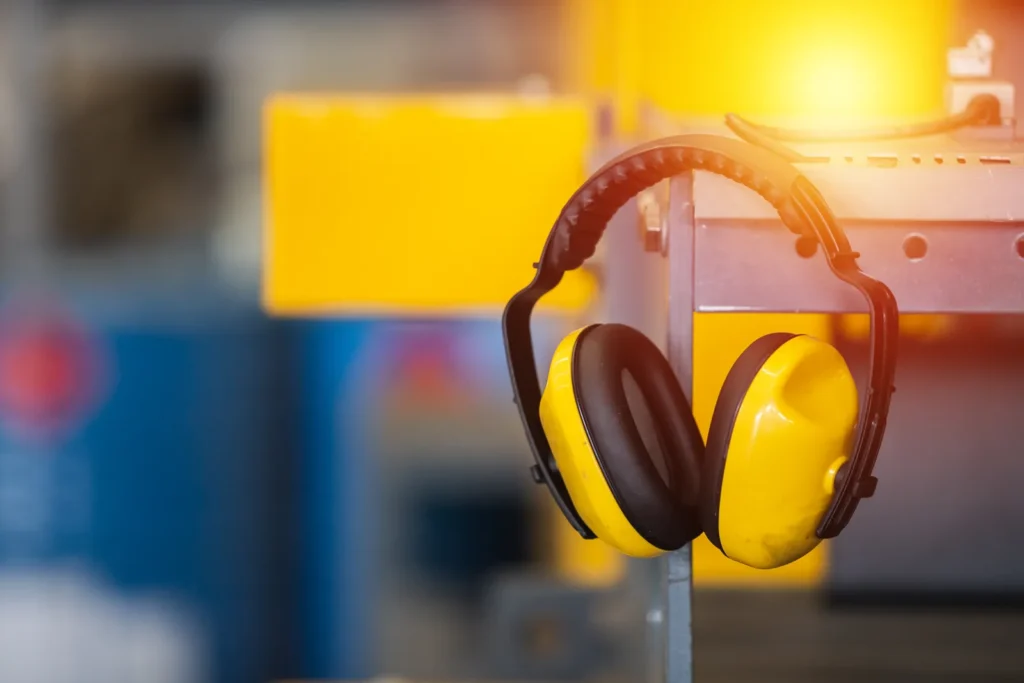
- Wear hearing protection – Use earplugs or earmuffs at concerts, sporting events, and when using loud tools or machinery. Keeping a pair of inexpensive earplugs in your bag or car makes it easy to be ready whenever noise rises.
- For symptoms, screening or treatment questions, use your health service or a qualified healthcare professional. This calendar covers awareness campaigns and does not provide diagnosis or treatment advice.
- Use the NIOSH Sound Level Meter app – This free CDC tool lets you measure noise levels around you so you can identify when a setting is loud enough to cause harm.
- Move away from the noise – Distance reduces exposure. At a concert or event, stand back from speakers, and take regular breaks in quieter spaces to let your ears recover.
- Protect children’s hearing – Fit youngsters with child-sized earmuffs at noisy events and explain why safe listening habits matter. The NIDCD Noisy Planet campaign offers family-friendly resources.
- Talk to your employer – If your workplace is noisy, ask about hearing conservation programmes, noise assessments, and the protective equipment you are entitled to under occupational safety rules.
- Share the message – Pass on CDC and NIDCD resources to friends, family, and colleagues. A single conversation about safe listening can prevent a lifetime of hearing damage.
Why National Protect Your Hearing Month Matters
The threshold for concern is lower than many realise. Sounds at or above 85 decibels, roughly the level of heavy city traffic or a busy restaurant, can begin to cause damage with prolonged exposure. Concerts, power tools, sporting events, and personal listening devices played at high volume can all push well beyond that limit. Because the harm is cumulative and silent, many people do not notice until hearing has already been lost. A dedicated month of awareness helps people act before that point is reached.
Noteworthy Facts About National Protect Your Hearing Month
- Noise-induced hearing loss is permanent and cannot be reversed, yet it is almost entirely preventable.
- Sounds at or above 85 decibels can cause hearing damage with sustained exposure.
- The free NIOSH Sound Level Meter app turns a smartphone into a noise measurement tool, helping people identify risky environments.
What is National Protect Your Hearing Month?
It is a US public health observance held every October that raises awareness of noise-induced hearing loss and promotes simple steps, such as wearing hearing protection and lowering volume, to prevent it. It is supported by the CDC, NIOSH, and the NIDCD.
When is National Protect Your Hearing Month in 2026?
It runs throughout the whole of October 2026, from Thursday, 1 October to Saturday, 31 October.
Who organises National Protect Your Hearing Month?
It is led by US federal health agencies, principally the Centers for Disease Control and Prevention and its National Institute for Occupational Safety and Health, alongside the National Institute on Deafness and Other Communication Disorders and its Noisy Planet campaign.
Links
History of National Protect Your Hearing Month
National Protect Your Hearing Month was established to give the prevention of noise-induced hearing loss a dedicated place on the public health calendar. The NIDCD, part of the US National Institutes of Health, has championed the observance through its Noisy Planet education programme, which was created to help parents and children understand how to protect their hearing from the everyday sounds that surround them.
Over the years the campaign has grown into a collaborative effort. The CDC and NIOSH bring their occupational health expertise, focusing on the millions of workers exposed to hazardous noise in industries such as manufacturing, construction, mining, and agriculture. NIOSH has used the month to publish science blogs, guidance, and tools, including the popular Sound Level Meter app, that translate research into practical advice the public can act on.
Each October, audiologists, hearing clinics, employers, schools, and advocacy groups across the United States use the month to host hearing screenings, distribute earplugs, and run educational events. The observance complements other global hearing campaigns held at different points in the year, building a year-round drumbeat of awareness around a condition that, once present, cannot be undone.
Hashtags
Help raise awareness by sharing National Protect Your Hearing Month with your friends, family, and followers. Use the hashtags #ProtectYourHearing and #ProtectYourHearing2026 on social media. The more people who understand how to prevent noise-induced hearing loss, the more hearing we can protect for years to come.
Frequently asked questions
When is National Protect Your Hearing Month?
What is National Protect Your Hearing Month?
More awareness days in October
See all → 1–31 OctMonth1 Oct to 31 OctMonthCommunityUKBlack History Month
 1–31 OctMonth1 Oct to 31 OctMonthCancerUK, US, Australia and worldwideBreast Cancer Awareness Month 2026
 1 Oct1 OctThursdayFood & NutritionUK, US, Australia and worldwideInternational Coffee Day 2026
 1–7 OctWeek1 Oct to 7 OctWeekFood & NutritionInternationalNational Vegetarian Week 2026