
World Camel Day 2026
Monday 22 June 2026
World Camel Day is an annual awareness day dedicated to recognising the cultural, economic and ecological value of camels. It champions a species often overlooked in mainstream conservation and agriculture, despite the camel’s central role in the lives of millions of people across Africa, Asia and the Middle East.
Add this date to my calendarA full year of awareness dates, ready to edit, print or sync.
Get the full 2027 awareness days calendar£49.99 a year. Renews annually.
On this page
Dates and event details
Monday 22 June 2026. Held every year on 22 June.
| Where | International |
|---|
What is World Camel Day?
World Camel Day is an annual awareness day dedicated to recognising the cultural, economic and ecological value of camels. It champions a species often overlooked in mainstream conservation and agriculture, despite the camel’s central role in the lives of millions of people across Africa, Asia and the Middle East. The day was created to encourage research, investment and policy attention for camels, their milk, meat and the communities who depend on them. It is supported by camel scientists, pastoralists, veterinarians and advocacy groups such as Camel4all.
World Camel Day is observed every year on 22 June to celebrate the camel and to raise awareness of its importance to food security, climate resilience and the livelihoods of pastoral communities. The day was founded in 2009 by Pakistani camel scientist Dr Abdul Raziq Kakar, and it has since grown into an international occasion marked across desert and arid regions worldwide. In 2026 it falls on Monday, 22 June.
When is World Camel Day?
World Camel Day takes place on 22 June every year. In 2026 this falls on a Monday. The date is fixed and does not move from year to year. The 22nd of June was chosen deliberately: the summer solstice on 21 June marks the longest and hottest day in the northern hemisphere, and the day immediately after was selected to highlight the camel’s remarkable ability to survive and thrive in extreme heat where few other livestock can.
How to Get Involved in World Camel Day
There are many ways to mark World Camel Day, whether you live near camels or simply want to learn more about them.
- Learn about camel biology – Read up on how camels store fat in their humps, tolerate dehydration and regulate their body temperature. Understanding their adaptations builds appreciation for the species.
- Try camel milk products – Camel milk, cheese and even chocolate are increasingly available. Sampling them supports the growing camel dairy sector and pastoral economies.
- Support camel conservation charities – Donate to or volunteer with organisations working to protect camels and improve husbandry practices in pastoral regions.
- Visit a sanctuary or farm – Many wildlife parks and farms keep camels. A visit is a chance to meet these gentle animals and learn from their keepers.
- Share knowledge online – Post facts, photographs and articles about camels using the day’s hashtags to spread awareness among your followers.
- Educate children – Teachers and parents can use the day to teach young people about deserts, adaptation and the cultures that rely on camels.
- Read about pastoralism – Explore the lives of nomadic herders in Somalia, Kenya, India, Mongolia and the Arabian Peninsula whose way of life depends on camels.
- Advocate for camel welfare – Support better standards of care for working and racing camels, and call for investment in veterinary services for pastoral communities.
Why World Camel Day Matters
Camels are among the most resilient domesticated animals on the planet, capable of withstanding drought, heat and sparse grazing that would defeat cattle or sheep. As climate change intensifies and arid regions expand, the camel’s role as a source of food and income becomes increasingly significant. The global camel population is estimated at around 40 million animals, with the majority found in Africa and Asia. Camel milk, which is rich in vitamin C and lower in fat than cow’s milk, supports the nutrition of millions of people in regions where other dairy farming is impossible. World Camel Day draws attention to the need to protect these animals, improve their welfare, and invest in the pastoral communities who have herded them for thousands of years.
Noteworthy Facts About World Camel Day
- The day was founded in 2009 by Dr Abdul Raziq Kakar, who is widely regarded as a leading global voice for camel advocacy.
- The 22 June date was chosen because it follows the summer solstice, symbolising the camel’s tolerance of extreme heat.
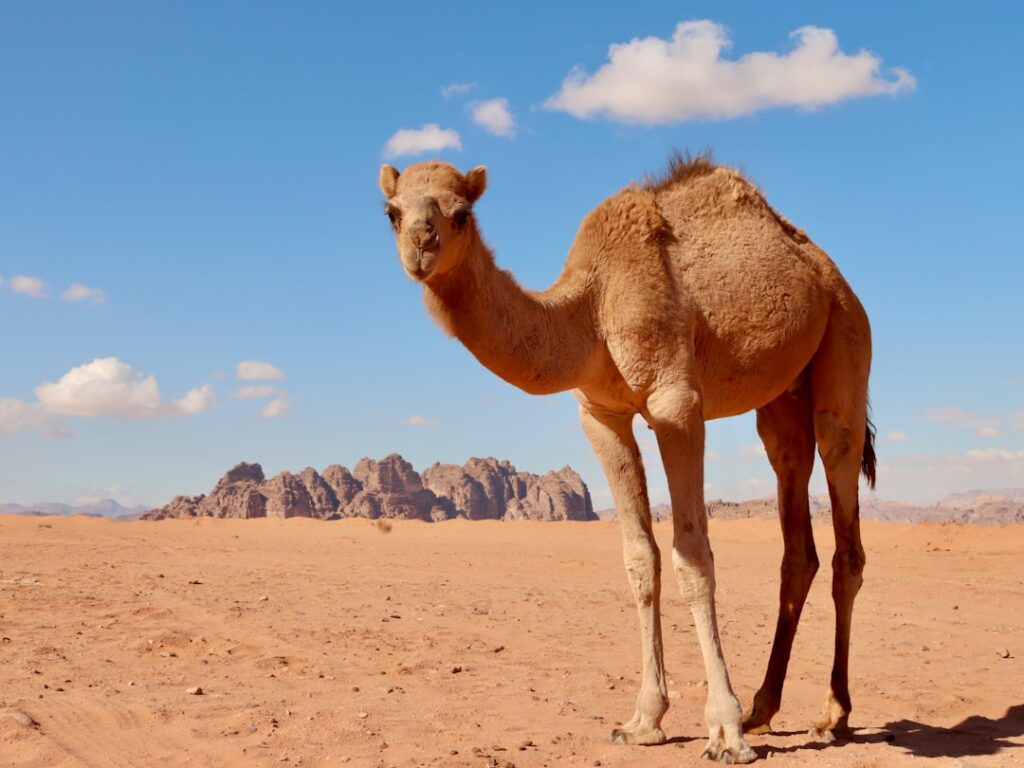
- There are three main types of camel: the one-humped dromedary, the two-humped Bactrian, and the rare wild Bactrian camel of Mongolia and China.
- Camel milk contains roughly three times the vitamin C of cow’s milk and is naturally lower in fat.
- A camel can drink up to around 100 litres of water in a single sitting after a long period without it.
Links
History of World Camel Day
World Camel Day was founded in 2009 by Dr Abdul Raziq Kakar, a camel scientist and advocate from Pakistan who has spent decades researching the species and campaigning for its recognition. The first observance took place in June 2009 as a modest one-day seminar at which Dr Raziq delivered a detailed lecture on the importance of the camel, covering its history, its place in culture, and its role in food security.
From these small beginnings, the day grew steadily as camel scientists, herders and advocacy networks adopted it. Dr Raziq’s central argument was that the camel, despite its extraordinary value to drylands agriculture, had been neglected by researchers, governments and development agencies who favoured cattle and other conventional livestock. World Camel Day was conceived as a means of correcting that imbalance and putting the camel on the global agenda.
In the years since, the day has been marked with seminars, festivals, races and educational events across the camel-keeping world, and it has gained particular prominence in countries such as Saudi Arabia, the United Arab Emirates and Pakistan, where camels remain central to cultural identity. The growth of the international camel milk industry has given the day added relevance, as producers and entrepreneurs work to bring camel products to new markets.
Hashtags
Help raise awareness by sharing World Camel Day with your friends, family, and followers. Use the hashtags #WorldCamelDay and #WorldCamelDay2026 on social media. The more people who know about World Camel Day, the bigger the impact for camels and the communities who depend on them.
Frequently asked questions
What is World Camel Day?
World Camel Day is an annual awareness day held on 22 June that celebrates the camel and highlights its importance to food security, climate resilience and pastoral livelihoods. It was founded in 2009 by camel scientist Dr Abdul Raziq Kakar.
When is World Camel Day in 2026?
World Camel Day is on Monday, 22 June 2026. The date is fixed and is observed on 22 June every year.
Why is World Camel Day on 22 June?
The date was selected because it falls just after the summer solstice, the hottest period in the northern hemisphere, reflecting the camel’s exceptional ability to endure extreme heat where other livestock cannot survive.