

World Decarbonisation Day 2026
Thursday 25 June 2026 · every year on 25 June
World Decarbonisation Day is an awareness day dedicated to reducing and ultimately removing carbon dioxide emissions from human activity.
Also on 25 June: Global Beatles Day · Day of the Seafarer · Croatia Independence Day
What is World Decarbonisation Day?
World Decarbonisation Day takes place each year on 25 June and falls on Thursday, 25 June 2026. The day draws attention to decarbonisation, the process of cutting carbon dioxide emissions from energy, industry, transport and everyday life. It encourages governments, businesses and individuals to accelerate the shift away from fossil fuels and towards clean, low-carbon alternatives.
World Decarbonisation Day is an awareness day dedicated to reducing and ultimately removing carbon dioxide emissions from human activity. Decarbonisation refers to the deliberate lowering of the carbon intensity of our economies, primarily by replacing fossil fuels such as coal, oil and gas with renewable and low-carbon energy. The day is aimed at policymakers, industry leaders, campaigners and ordinary citizens alike, and it raises awareness of the practical steps needed to reach net zero. It connects the technical language of climate policy with concrete actions that communities and households can take.
When is World Decarbonisation Day?
World Decarbonisation Day is observed annually on 25 June. In 2026 it falls on Thursday, 25 June. The date is fixed, so the day is marked on the same calendar date every year, which makes it easy to plan campaigns, events and classroom activities around it. Because it sits in late June, it often coincides with a wider season of environmental awareness that includes World Environment Day earlier in the month.
Plan around World Decarbonisation Day and every key date in June
The Awareness Days Toolkit puts every awareness day for 2026 and 2027 in a spreadsheet, printable PDF calendars and an iCal feed that keeps itself up to date.
Why World Decarbonisation Day Matters
Carbon dioxide from burning fossil fuels is the single largest driver of human-caused climate change, and the scale of the challenge is considerable. According to the International Energy Agency, global energy-related CO2 emissions reached an all-time high of around 37.8 gigatonnes in 2024, while atmospheric CO2 concentrations hit a record 422.5 parts per million, roughly 50 per cent higher than pre-industrial levels. The IEA also notes that emissions would need to fall by more than 40 per cent by 2030 to stay aligned with the goal of limiting warming to 1.5 degrees Celsius. A handful of hard-to-abate sectors, including oil and gas, steel and cement, together account for more than a quarter of global CO2 emissions, which shows why decarbonisation must reach beyond electricity alone. World Decarbonisation Day matters because it keeps these facts in public view and reminds us that the technologies to change course already exist.
How to Get Involved in World Decarbonisation Day
There are many practical ways to take part, whether you are acting as an individual, a workplace or a community group.
- Switch to a renewable energy tariff – Choosing a supplier that sources electricity from wind, solar or hydropower is one of the most direct ways a household can cut its carbon footprint.
- Reduce energy demand at home – Improving insulation, switching to LED lighting and turning down heating by a degree all lower the amount of energy you need in the first place.
- Rethink how you travel – Walking, cycling, using public transport or moving to an electric vehicle reduces emissions from one of the most carbon-intensive parts of daily life.
- Audit your workplace – Encourage your employer to measure its carbon footprint, set a credible net zero target and report progress openly.
- Support clean technology – Back businesses and innovations working on heat pumps, battery storage, green hydrogen and carbon capture that help the hardest sectors to decarbonise.
- Plant and protect trees – Restoring and conserving forests removes carbon from the atmosphere and complements efforts to cut emissions at source.
- Educate and share – Run a talk, lesson or social media campaign explaining what decarbonisation means and why it is achievable, using the day as a hook.
- Hold leaders to account – Write to elected representatives asking for stronger climate policy and faster investment in clean infrastructure.
History of World Decarbonisation Day
The word decarbonisation entered mainstream climate discussion over the past two decades as scientists and economists searched for language to describe the systematic removal of carbon from energy systems. The concept gained particular prominence after the 2015 Paris Agreement, in which nearly every country committed to holding the rise in global average temperature well below 2 degrees Celsius and pursuing efforts to limit it to 1.5 degrees. Reaching those targets requires economies to reduce their carbon intensity year on year, and the term decarbonisation became shorthand for that long transition.
Awareness around the theme has been reinforced at major international summits. The United Nations climate conference COP27, held in Egypt in 2022, featured a dedicated Decarbonisation Day within its thematic programme, focusing on heavy industry and the sectors that are hardest to clean up. Events like these helped move decarbonisation from technical reports into wider public conversation, and they laid the groundwork for standalone awareness initiatives.
World Decarbonisation Day as a fixed 25 June observance has been promoted by climate advocates and commentators in recent years as a way to keep the issue in the calendar between the larger set-piece environmental dates. Like many emerging awareness days, its origins are diffuse rather than tied to a single founding organisation, and it continues to grow through the efforts of campaigners, educators and clean-energy supporters who use the date to share information and call for faster action.
Noteworthy Facts About World Decarbonisation Day
- The IEA recorded global energy-related CO2 emissions at roughly 37.8 gigatonnes in 2024, an all-time high.
- Renewable energy capacity reached about 4,448 gigawatts worldwide by the end of 2024, with a record 585 gigawatts added in that year alone, according to IRENA.
- Solar and wind together accounted for more than 96 per cent of the renewable capacity added globally in 2024.
- The combined share of solar and wind in global electricity generation is forecast to rise above 19 per cent in 2026.
- Oil and gas, steel and cement are considered the hardest sectors to decarbonise and together produce over a quarter of global CO2 emissions.
Hashtags
Links
- Read the International Energy Agency net zero analysis
- Explore more awareness days at AwarenessDays.com
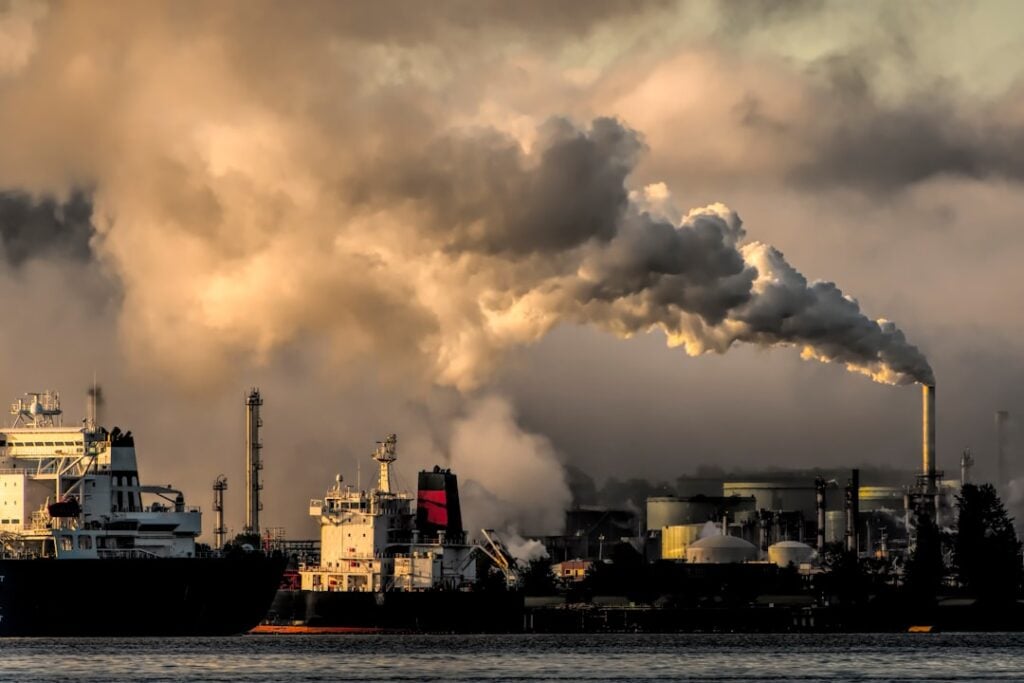
Featured image: Photo by Chris LeBoutillier on Unsplash.





Frequently asked questions
What is World Decarbonisation Day?
World Decarbonisation Day is an annual awareness day focused on cutting carbon dioxide emissions and transitioning from fossil fuels to clean, low-carbon energy. It encourages action from governments, businesses and individuals to help reach net zero.
When is World Decarbonisation Day in 2026?
World Decarbonisation Day is observed on Thursday, 25 June 2026. It is marked on the same date, 25 June, every year.
What does decarbonisation actually mean?
Decarbonisation is the process of reducing the amount of carbon dioxide released by human activity, mainly by replacing fossil fuels with renewable and low-carbon energy, improving efficiency and, where necessary, removing carbon from the atmosphere through nature or technology.
More awareness days in June
See all → 23–26 Jun23 Jun to 26 JunBusiness & FinanceInternationalAmazon Prime Day 2026
 25 Jun25 JunThursdayArts & CultureInternationalCroatia Independence Day
 25 Jun25 JunThursdayGlobal & NationalInternationalDay of the Seafarer25Jun25 Jun25 JunThursdayArts & CultureInternationalBourdain Day
 25 Jun25 JunThursdayArts & CultureInternationalGlobal Beatles Day
 26 Jun26 JunFridayFun & QuirkyInternationalNational Stitch Day
 26 Jun26 JunFridaySafety & PreventionInternationalNational SAFER Workplace Day
 26 Jun26 JunFridayFood & NutritionUKNational Cream Tea Day