Guinea – Independence Day
October 2
About Guinea – Independence Day
Guinea Independence Day is celebrated every year on 2 October, marking the date in 1958 when Guinea became the first French colony in sub-Saharan Africa to win full independence. It commemorates the nation’s decisive rejection of continued colonial rule under President Ahmed Sékou Touré and stands as one of the defining moments in the history of African self-determination.
The Story Behind Guinea Independence Day
Guinea’s road to nationhood ran through more than a century of French control. The territory became a French protectorate in 1849 and was absorbed into French West Africa in 1904, governed from afar as one part of a vast colonial federation. For decades, Guineans had little say over their own affairs, and the wealth of their land, rich in bauxite, gold, and farmland, flowed outward rather than serving local communities.
The decisive turn came in 1958. The French Fourth Republic collapsed, and Charles de Gaulle returned to power at the head of the new Fifth Republic. To settle the future of France’s African colonies, de Gaulle put a constitution to a referendum on 28 September 1958. The territories were offered a stark choice: accept membership of a French Community with limited autonomy, or vote no and take immediate independence, with the loss of French support that this implied. Across French West Africa, most leaders urged a yes vote, fearing the consequences of going it alone.
Guinea took a different path. Ahmed Sékou Touré, leader of the Parti Démocratique de Guinée and head of the territory’s strongest trade union movement, campaigned hard for a no vote. His message was uncompromising. In a speech directed at de Gaulle, he declared that Guinea preferred poverty in freedom to riches in slavery. When the votes were counted, more than 95 per cent of Guineans had rejected the constitution on a turnout of around 85 per cent. Guinea became the only territory in French West Africa to vote for complete independence.
On 2 October 1958, Guinea declared itself an independent republic, with Sékou Touré as its first president. France’s response was swift and punishing. Aid was cut off and officials withdrew within weeks, and departing colonial administrators stripped the country of equipment and records, reportedly removing everything from light bulbs to medical supplies and plans for Conakry’s sewage system. Guinea began life as a nation under enormous strain, but it had done so on its own terms, and its example would inspire independence movements across the continent in the years that followed.
When and Where is Guinea Independence Day Celebrated?
Guinea Independence Day falls on Friday, 2 October 2026. It is a fixed public holiday observed every year on the same date, so it does not shift from year to year. The celebrations are nationwide, but the centre of festivities is the capital, Conakry, where government ceremonies, parades, and public gatherings take place. Guineans living abroad also mark the day, with diaspora communities in Europe, North America, and across West Africa holding their own commemorations.
Traditions and Customs
Independence Day in Guinea blends solemn remembrance with lively celebration. Common customs include:
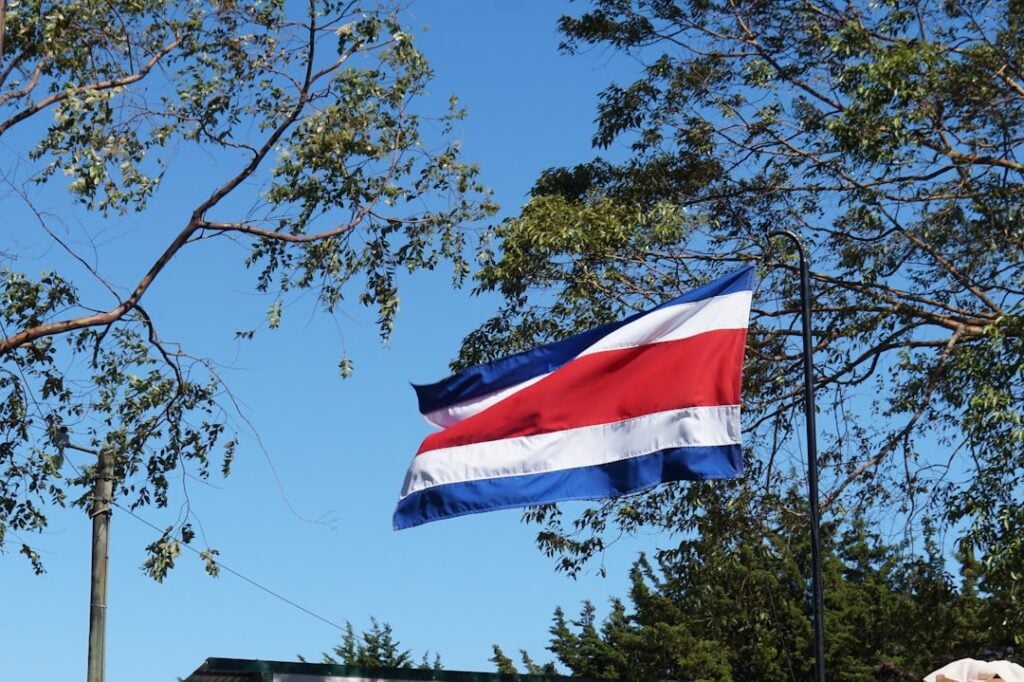
- Flag-raising ceremonies – The red, yellow, and green national flag is raised at official sites, with the colours representing the blood of those who fought for freedom, the sun and the country’s mineral wealth, and its lush vegetation.
- Parades and processions – Civic and military parades move through Conakry, often attended by the president and senior officials, alongside cultural floats representing Guinea’s many ethnic groups.
- Prayers for the nation – Celebrations frequently open with prayers for peace, progress, and development, reflecting the country’s faith communities.
- Music and dance – Traditional drumming, djembe rhythms, and folk dance performances fill public squares, showcasing the cultural identity that independence allowed Guineans to celebrate freely.
- Speeches and public gatherings – Elders and officials gather, often at Conakry’s City Hall, for addresses that recall the sacrifices of 1958 and look ahead to the nation’s future.
Ways to Celebrate Guinea Independence Day
Whether you have Guinean roots or simply want to honour the occasion, there are many ways to take part:
- Learn the story of 1958 – Read about the referendum and Sékou Touré’s famous stand to understand why Guinea’s choice mattered far beyond its borders.
- Display the national colours – Wear or fly red, yellow, and green to show solidarity with Guineans marking their freedom.
- Cook Guinean food – Try dishes such as jollof rice, fouti, or peanut-based sauces to bring a taste of the country to your table.
- Explore Guinean music – Listen to artists like Mory Kanté or the legendary Bembeya Jazz National, who carried Guinean sound to the world.
- Attend a diaspora event – Look for local Guinean community celebrations, which often welcome visitors with food, music, and dance.
- Support West African causes – Mark the day by learning about or supporting development and education efforts in Guinea.
Facts and Figures
- Guinea was the first French colony in sub-Saharan Africa to achieve full independence, on 2 October 1958.
- More than 95 per cent of Guineans voted no in the 28 September 1958 referendum, with turnout of roughly 85 per cent.
- Guinea was the only territory in French West Africa to reject de Gaulle’s proposed constitution outright.
- Ahmed Sékou Touré served as Guinea’s first president and led the country until his death in 1984.
- Guinea holds some of the world’s largest reserves of bauxite, the principal ore used to produce aluminium.
Frequently Asked Questions
What is Guinea Independence Day?
Guinea Independence Day commemorates 2 October 1958, when Guinea declared itself an independent republic and broke from French colonial rule, becoming the first French colony in sub-Saharan Africa to do so.
When is Guinea Independence Day in 2026?
It falls on Friday, 2 October 2026. The date is fixed and observed on 2 October every year.
Why did Guinea become independent before other French colonies?
Under the leadership of Ahmed Sékou Touré, Guinea was the only French West African territory to vote no in the 1958 constitutional referendum, choosing immediate and complete independence rather than membership of the French Community.
Spread the Word
Share Guinea Independence Day with your community using #GuineaIndependenceDay and #GuineaIndependenceDay2026. Whether you mark the occasion with food, music, or simply by learning the remarkable story of 1958, every bit of awareness helps keep this tradition alive.
Related Awareness Days
- Guinea-Bissau – Independence Day – A neighbouring West African nation that marks its own break from colonial rule on 24 September.
- Côte d’Ivoire – Independence Day – Another former French West African territory celebrating its national day in August.
- Mozambique – Independence Day – A fellow African nation commemorating its freedom from European colonial rule.
Links
Featured image: Photo by Spencer Wungin on Unsplash.





2026 Awareness Days Wall Planner
Every key awareness day at a glance. Perfect for offices, staff rooms, and team planning.
View Calendar →