September 1, 2027
| Date | Wednesday 1 September 2027 |
|---|---|
| When it falls | The first Wednesday of September each year |
| Official website | ilf.org.au |
| Where | Australia |
About Indigenous Literacy Day
Indigenous Literacy Day 2026 was on Wednesday 2 September 2026. The next Indigenous Literacy Day is on Wednesday 1 September 2027.
Indigenous Literacy Day is an annual national awareness day held in Australia on 3 September each year. It is led by the Indigenous Literacy Foundation (ILF), a not-for-profit organisation and charity of the Australian book industry, dedicated to raising literacy levels and celebrating First Nations languages and stories in remote and very remote communities across the country. The day shines a spotlight on the fundamental right of every child to read and write in their mother tongue and on the unique, irreplaceable value of Indigenous languages and stories.
What is Indigenous Literacy Day?
Indigenous Literacy Day is a national celebration of First Nations languages, stories, and the importance of literacy for children living in some of Australia’s most remote communities. The day is anchored by the work of the Indigenous Literacy Foundation, which operates across more than 500 remote communities, supplying culturally relevant books, funding Community Publishing projects, and running early literacy programmes designed to be led by communities themselves.
At its heart, the day recognises that language is culture. When a language disappears, an irreplaceable way of seeing and understanding the world goes with it. Across Australia, there are approximately 250 Aboriginal and Torres Strait Islander languages, along with several English-based creole languages and dialects. Many of these languages are endangered, and Indigenous Literacy Day exists to champion their survival through storytelling, reading, and community-led publishing.
The ILF’s three core programmes are Book Supply, Book Buzz, and Community Publishing. Book Supply ensures that children in remote communities receive books that reflect their lives, cultures, and languages. Book Buzz brings excitement about reading directly into communities, and Community Publishing helps communities to write, illustrate, and publish their own stories in their own languages, giving a voice to knowledge that might otherwise be lost.
When is Indigenous Literacy Day?
Indigenous Literacy Day takes place annually on 3 September. It falls at the start of spring in Australia, a season that aligns with the theme of renewal and growth that underpins the day’s mission. Schools, libraries, bookshops, and workplaces across Australia mark the date with readings, fundraising events, and community activities. For 2026, the theme is “Country Is Our Teacher,” celebrating the deep connection between First Nations communities and the land as a source of knowledge, language, and culture.
Why It Matters
Literacy is a gateway to opportunity. In Australia’s most remote communities, access to books and reading materials has historically been limited, and literacy rates among remote First Nations children have lagged significantly behind those of children in urban and regional areas. The consequences of low literacy extend far beyond the classroom: they affect health outcomes, employment prospects, and the ability to participate fully in civic life.
Indigenous Literacy Day draws attention to these inequalities while also celebrating the strengths and richness of First Nations cultures. Crucially, the ILF’s approach is community-led: rather than imposing external solutions, the foundation responds to requests from communities themselves, ensuring that books and programmes reflect local languages, stories, and priorities. This model of self-determination is central to the day’s philosophy.
Language preservation is another key dimension of the day. Children who grow up with access to books in their mother tongue develop stronger foundations in both their first language and in English. Bilingual and multilingual literacy strengthens cultural identity, improves educational outcomes, and helps pass traditional knowledge from one generation to the next. Each book written and published in a First Nations language is an act of cultural survival.
The ILF has so far delivered more than one million culturally relevant books to children in remote communities across Australia. It has also supported the creation and publication of stories in dozens of First Nations languages, giving communities the tools to document and share their heritage in their own words.
History
The origins of Indigenous Literacy Day lie in a small bookshop initiative launched in Brisbane in 2004. Suzy Wilson, owner of Riverbend Books, created the Riverbend Readers’ Challenge to raise funds for literacy programmes in remote Indigenous communities. The challenge invited readers to donate the cost of a book, with proceeds going directly to communities in need.
By 2007, the Riverbend Readers’ Challenge had grown significantly and teamed up with the Fred Hollows Foundation to form the Indigenous Literacy Project, broadening its reach and its ambitions. Four years later, in 2011, the initiative became the independent Indigenous Literacy Foundation, a standalone national charity with the dedicated mission of improving literacy and supporting language survival in remote First Nations communities across Australia.
Since its establishment, the ILF has expanded its work year on year, partnering with publishers, booksellers, schools, and community organisations. It has received support from the Australian government, the corporate sector, and thousands of individual donors who believe in the transformative power of reading. Indigenous Literacy Day grew from this foundation as a dedicated moment in the national calendar to celebrate achievements, raise awareness, and rally continued support for a cause that touches the lives of some of Australia’s most isolated communities.
How to Get Involved
There are many ways to support Indigenous Literacy Day and the work of the Indigenous Literacy Foundation, whether as an individual, a school, or a workplace.
Donate: A direct donation to the ILF at ilf.org.au funds the supply of books and the development of community literacy resources. Even a small contribution covers the cost of several culturally relevant books for children in remote communities.
Purchase books by First Nations authors: Buying books written and illustrated by Aboriginal and Torres Strait Islander authors is one of the most direct ways to support Indigenous storytelling. The ILF’s online shop stocks a curated selection of titles from First Nations creators.
Host an event: Schools, libraries, and businesses are encouraged to host readings, book swaps, or fundraising events on or around 3 September. The ILF’s “Busking for Change” initiative invites teachers, students, and community groups to raise funds through performances and activities.
Workplace giving: Employees can make regular pre-tax donations through workplace giving programmes, turning ongoing contributions into an easy and tax-effective form of support. Workplaces can also organise Great Book Swaps and other internal fundraising events.
Spread the word: Sharing information about Indigenous Literacy Day on social media, in school newsletters, and within community groups helps to build awareness of both the day and the broader challenges it seeks to address. Using the event’s official hashtags amplifies the message and connects participants across the country.
For educators, the ILF provides a range of classroom resources, including activity packs, reading lists, and lesson ideas, all designed to make Indigenous Literacy Day a meaningful learning experience. You can also explore the National Wattle Day page and the National Aboriginal and Torres Strait Islander Children’s Day listing for other significant dates celebrating First Nations culture in Australia.
Noteworthy Facts
- The Indigenous Literacy Foundation has delivered more than one million books to children in remote communities across Australia since it was founded.
- The ILF works with more than 500 remote communities, spanning every state and territory in Australia.
- There are approximately 250 distinct Aboriginal and Torres Strait Islander languages spoken across Australia, many of which are critically endangered.
- Community Publishing projects supported by the ILF have resulted in dozens of books written, illustrated, and published entirely by community members in their own languages.
- The ILF grew from a single bookshop fundraising challenge in Brisbane into a national charity within just seven years.
- Studies show that children who develop literacy in their first language achieve stronger outcomes when learning additional languages, including English.
- The ILF’s Book Buzz programme has introduced thousands of children who had never previously owned a book to the joy of reading.
- Indigenous Literacy Day has been marked at major cultural venues, in school classrooms, remote community halls, and corporate offices across Australia.
Hashtags
Use these hashtags to join the conversation on social media and connect with others marking Indigenous Literacy Day:
- #IndigenousLiteracyDay
- #ILD2026
- #IndigenousLiteracyFoundation
- #FirstNationsStories
- #LiteracyMatters
- #CountryIsOurTeacher
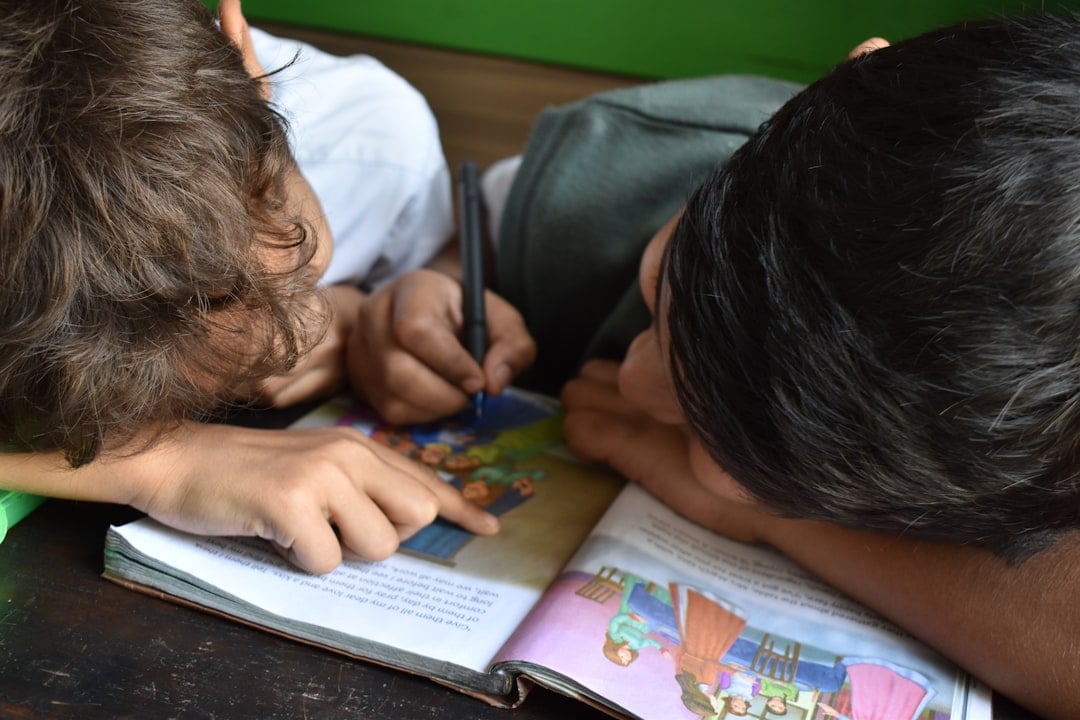
Featured image: Photo by Andrew Ebrahim on Unsplash.






2026 Awareness Days Wall Planner
Every key awareness day at a glance. Perfect for offices, staff rooms, and team planning.
View Calendar →