August 22, 2027
About International Day Commemorating the Victims of Acts of Violence Based on Religion or Belief
The International Day Commemorating the Victims of Acts of Violence Based on Religion or Belief is observed annually on 22 August. Established by the United Nations General Assembly through Resolution A/RES/73/296 on 28 May 2019, the day recognises victims who have suffered or lost their lives as a result of violence motivated by their religion or belief, and calls for global action to protect the fundamental right to freedom of religion or belief.
What is the International Day Commemorating the Victims of Acts of Violence Based on Religion or Belief?
This United Nations observance is dedicated to honouring individuals and communities who have been subjected to violence, persecution, or death because of their religious identity or personal beliefs. It draws global attention to the ongoing threat posed by religiously motivated violence, from targeted attacks on individuals to large-scale atrocities against entire communities.
The day is grounded in the recognition that freedom of religion or belief is a fundamental human right, protected under Article 18 of the Universal Declaration of Human Rights. Despite this protection, violence against people on the grounds of religion or belief remains widespread, affecting communities of all faiths in countries around the world.
When is the International Day Commemorating the Victims of Acts of Violence Based on Religion or Belief?
The day is observed every year on 22 August. This date was designated by the United Nations General Assembly in Resolution A/RES/73/296, adopted on 28 May 2019, and has been observed annually since that year.
Why Does This Day Matter?
Violence against people on the grounds of religion or belief is one of the most persistent human rights challenges facing the international community. From attacks on places of worship to state-sponsored persecution, communities are targeted because of who they are and what they believe.
The day serves several important purposes. It provides a moment of formal commemoration for victims and survivors, acknowledging the gravity of their experience on the global stage. It also sends a clear message from the international community that such acts are unacceptable and must be condemned, documented, and addressed through legal and policy frameworks.
By maintaining an annual observance, the United Nations reinforces the principle that freedom of religion or belief is not a privilege but a right, and that those who have suffered for holding that belief deserve recognition, justice, and support. The day is closely connected to related UN observances including the International Day for Tolerance on 16 November and the International Day for Countering Hate Speech on 18 June, which together form a broader framework for promoting peace and protecting human dignity.
How to Get Involved
- Read and share accounts of communities and individuals who have been affected by religiously motivated violence to raise awareness.
- Engage with the work of human rights organisations that document and advocate on behalf of victims of religious persecution.
- Attend or organise interfaith events that promote dialogue, understanding, and solidarity across religious communities.
- Contact elected representatives to encourage support for international measures protecting freedom of religion or belief.
- Donate to or volunteer with organisations providing support to survivors of religiously motivated violence.
- Educate young people about the right to freedom of religion or belief and the importance of protecting this right for all people.
History of the Day
The International Day was established following years of advocacy by human rights organisations, faith communities, and concerned member states at the United Nations. Growing incidents of violence targeting religious minorities around the world, including attacks on churches, mosques, temples, and synagogues, heightened international concern in the years preceding 2019.
On 28 May 2019, the United Nations General Assembly adopted Resolution A/RES/73/296, designating 22 August as the International Day Commemorating the Victims of Acts of Violence Based on Religion or Belief. The resolution acknowledged the importance of providing appropriate support and assistance to victims and their families, in accordance with applicable international law, and called on all states to take action to prevent and address such violence.
The day was first officially observed in August 2019. Since its establishment, it has been marked each year by statements from the United Nations Secretary-General, the Office of the High Commissioner for Human Rights, and member state governments. The European Union has issued statements on the occasion, deploring acts of violence against people on the basis of religion or belief and calling for accountability.
Noteworthy Facts
- Article 18 of the Universal Declaration of Human Rights, adopted in 1948, guarantees the right to freedom of thought, conscience, and religion, including the freedom to change religion or belief.
- The UN Special Rapporteur on Freedom of Religion or Belief is a mandate-holder appointed by the Human Rights Council to monitor and report on violations of this right globally.
- Freedom of religion or belief is enshrined in numerous international instruments beyond the UDHR, including the International Covenant on Civil and Political Rights (ICCPR) and the UN Declaration on the Elimination of All Forms of Intolerance and of Discrimination Based on Religion or Belief, adopted in 1981.
- The Yazidi community in Iraq, along with Christian and other minority communities, suffered severe violence at the hands of extremist groups in the years preceding the establishment of this day, drawing sustained international attention to the issue.
- A 2019 Pew Research Center study found that government restrictions or social hostilities involving religion affected Christians in 145 countries and Muslims in 139 countries, illustrating the global scale of the problem.
- The United Nations Human Rights Council reviews member states’ records on freedom of religion or belief through the Universal Periodic Review process, providing a regular mechanism for accountability.
Hashtags
#FreedomOfReligion #ReligiousVictims #HumanRights #FreedomOfBelief #UNDay #ReligiousFreedom #InterfaithDialogue
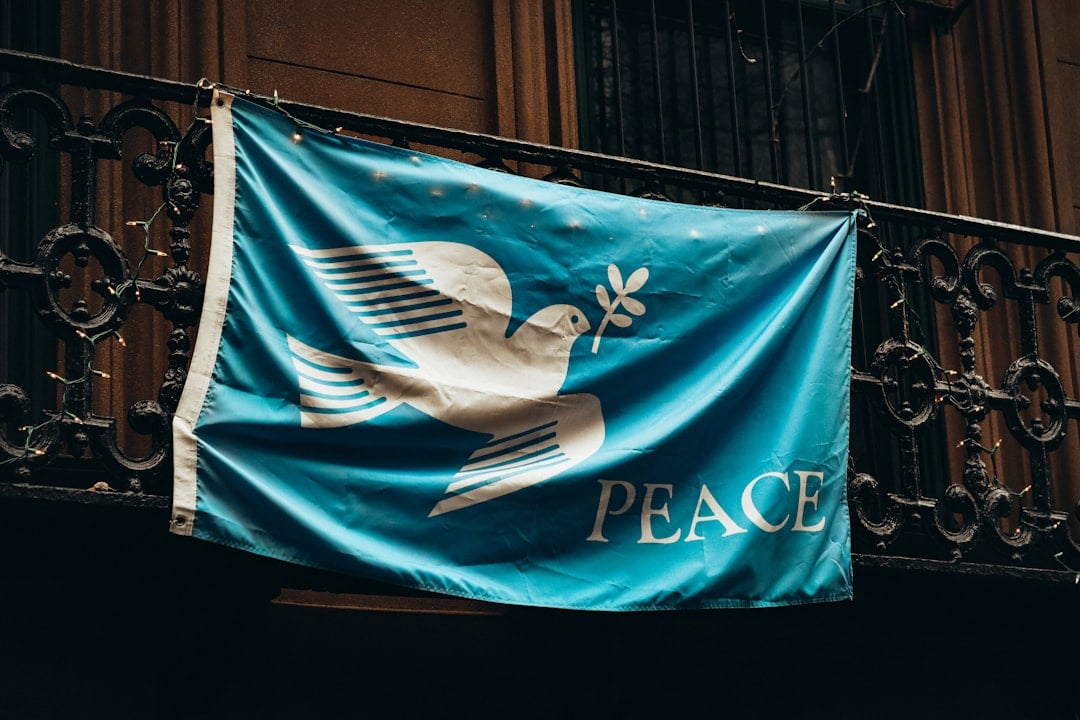
Featured image: Photo by Jon Tyson on Unsplash.
When is International Day Commemorating the Victims of Acts of Violence Based on Religion or Belief?
| Year | Date |
|---|---|
| 2026 | 22 August |
| 2027 | TBC |
| 2028 | TBC |





2026 Awareness Days Wall Planner
Every key awareness day at a glance. Perfect for offices, staff rooms, and team planning.
View Calendar →