

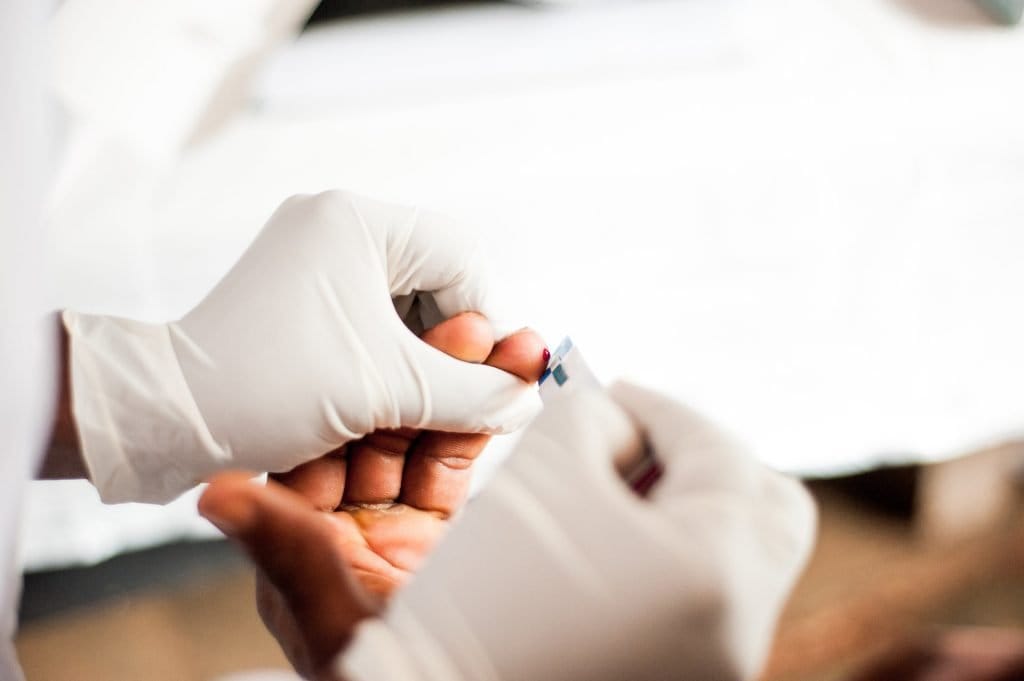
National HIV Testing Day 2026
Saturday 27 June 2026
National HIV Testing Day takes place every year on 27 June across the United States.
Also on 27 June: PTSD Awareness Day · International Sunglasses Day · National Bingo Day
What is National HIV Testing Day?
National HIV Testing Day takes place every year on 27 June across the United States. The observance encourages people of all ages to get tested for HIV, to know their status, and to connect with treatment and care if needed. It is one of the longest-running HIV awareness observances in the country, promoted by the Centers for Disease Control and Prevention (CDC) and a wide network of health departments, clinics and community organisations.
National HIV Testing Day (NHTD) is a US health observance dedicated to one clear message: get tested and know your HIV status. It targets everyone, but places particular emphasis on people who have never been tested or who are at higher risk. The day was created by the National Association of People with AIDS (NAPWA) and is now supported by the CDC, the National Institutes of Health, and hundreds of local partners. On and around 27 June, organisations offer free or low-cost testing, host community events, and share information about prevention tools such as PrEP and the science of Undetectable equals Untransmittable.
When is National HIV Testing Day?
National HIV Testing Day falls on Saturday, 27 June 2026. The date is fixed and does not change from year to year, so the observance is always held on 27 June regardless of the day of the week. It has been marked on this date since it was first observed in 1995.
Plan around National HIV Testing Day and every key date in June
The Awareness Days Toolkit puts every awareness day for 2026 and 2027 in a spreadsheet, printable PDF calendars and an iCal feed that keeps itself up to date.
Why National HIV Testing Day Matters
Testing is the gateway to everything that follows in HIV care. According to the CDC, an estimated 1.2 million people in the United States were living with HIV in 2022, and roughly 13 percent of them did not know they had the virus. People who are unaware of their status cannot access treatment and may unknowingly transmit HIV to others. Early diagnosis changes the picture entirely.
Modern treatment means that a person diagnosed early and started on antiretroviral therapy can expect a near-normal life expectancy. Just as importantly, someone who takes their medication as prescribed and maintains an undetectable viral load cannot transmit HIV to sexual partners, a principle known as Undetectable equals Untransmittable. The CDC recommends that everyone aged 13 to 64 be tested for HIV at least once as part of routine health care, with more frequent testing for those at higher risk. National HIV Testing Day exists to turn that recommendation into action.
How to Get Involved in National HIV Testing Day
There are many ways to take part, whether you are an individual, a healthcare provider, or a community group.
- Get tested – The single most powerful action is to know your own status. Many clinics, pharmacies and community sites offer free testing on and around 27 June, and self-test kits are widely available for home use.
- Find your nearest testing site – Use locators on official sites such as HIV.gov to find free, fast and confidential testing near you, including community events scheduled for the day.
- Encourage friends and family – Normalise testing by talking openly about it. Offering to go with someone can remove a real barrier for people who feel anxious about getting tested alone.
- Learn about prevention tools – Read up on PrEP and PEP, two medications that can prevent HIV infection, and share what you learn with anyone who could benefit.
- Volunteer with a local organisation – HIV service organisations often need extra hands on testing day to staff events, hand out information, and welcome visitors.
- Host or support an event – Employers, faith groups and student bodies can arrange on-site testing or invite a local clinic to run an information stall.
- Challenge stigma – Much of the fear around testing comes from stigma. Correcting myths and treating HIV as the manageable health condition it now is helps more people come forward.
- Share accurate information online – Posting reliable resources and using the official hashtag amplifies the message to people who may never see a clinic poster.
History of National HIV Testing Day
National HIV Testing Day was first observed in 1995, at a time when an HIV diagnosis was still widely feared and effective combination therapy had only just begun to emerge. The National Association of People with AIDS, an advocacy organisation founded in 1983 in Denver, Colorado by people living with the virus, created the day to break down the barriers that kept so many from getting tested. The choice of 27 June gave the campaign a consistent annual anchor.
Over the following decades the observance grew into a coordinated national effort. The CDC and its partners began funding testing events around the date, and data later showed the impact: an evaluation covering 2011 to 2014 found that more CDC-funded testing events and more newly identified infections occurred in June than in any other month, with the single highest number of new diagnoses recorded on 27 June each year. In plain terms, the day was reaching people who would otherwise have remained undiagnosed.
NAPWA itself ceased operations in 2013, but the observance it created has endured and is now carried forward by federal agencies, state and local health departments, and a broad coalition of community groups. Each year a national theme frames the campaign, with recent years emphasising self-care and the message that getting tested is an act of self-respect.
Noteworthy Facts About National HIV Testing Day
- The observance has been held on 27 June every year since 1995, making it one of the longest-standing HIV awareness days in the United States.
- It was created by the National Association of People with AIDS, an organisation founded in 1983 by people living with the virus.
- CDC data found that the highest number of newly identified HIV infections in a single day consistently occurred on 27 June during the 2011 to 2014 study period.
- An estimated 1.2 million people in the US were living with HIV in 2022, and around 13 percent did not know their status.
- The CDC advises that everyone aged 13 to 64 should be tested for HIV at least once as a routine part of their healthcare.
Hashtags
Links





Frequently asked questions
What is National HIV Testing Day?
It is an annual US health observance that encourages people to get tested for HIV, know their status, and link to care if needed. It is supported by the CDC and a national network of health and community organisations.
When is National HIV Testing Day in 2026?
National HIV Testing Day is on Saturday, 27 June 2026. The date is fixed and is observed on 27 June every year.
Who started National HIV Testing Day?
The day was created by the National Association of People with AIDS (NAPWA) and first observed in 1995. Although NAPWA closed in 2013, the observance continues under the CDC and its partners.
More awareness days in June
See all → 23–26 Jun23 Jun to 26 JunBusiness & FinanceInternationalAmazon Prime Day 2026
 27 Jun – 12 JulWeek27 Jun to 12 JulWeekEducation & YouthUKChildren’s Art Week
 27 Jun27 JunSaturdayArts & CultureInternationalDjibouti Independence Day
 27 Jun27 JunSaturdayArts & CultureUKUK Armed Forces Day
 27 Jun27 JunSaturdayFun & QuirkyInternationalGlobal Smurf Day
 27 Jun27 JunSaturdayHealth & WellbeingUSPTSD Awareness Day27Jun27 Jun27 JunSaturdayBusiness & FinanceInternationalMicro, Small and Medium Enterprises Day
 27 Jun27 JunSaturdayFun & QuirkyInternationalInternational Sunglasses Day